Illuminating Emotions: How Artificial Intelligence is Revolutionizing Lighting Design
Category : Resilience en | Sub Category : Posted on 2024-10-05 22:25:23
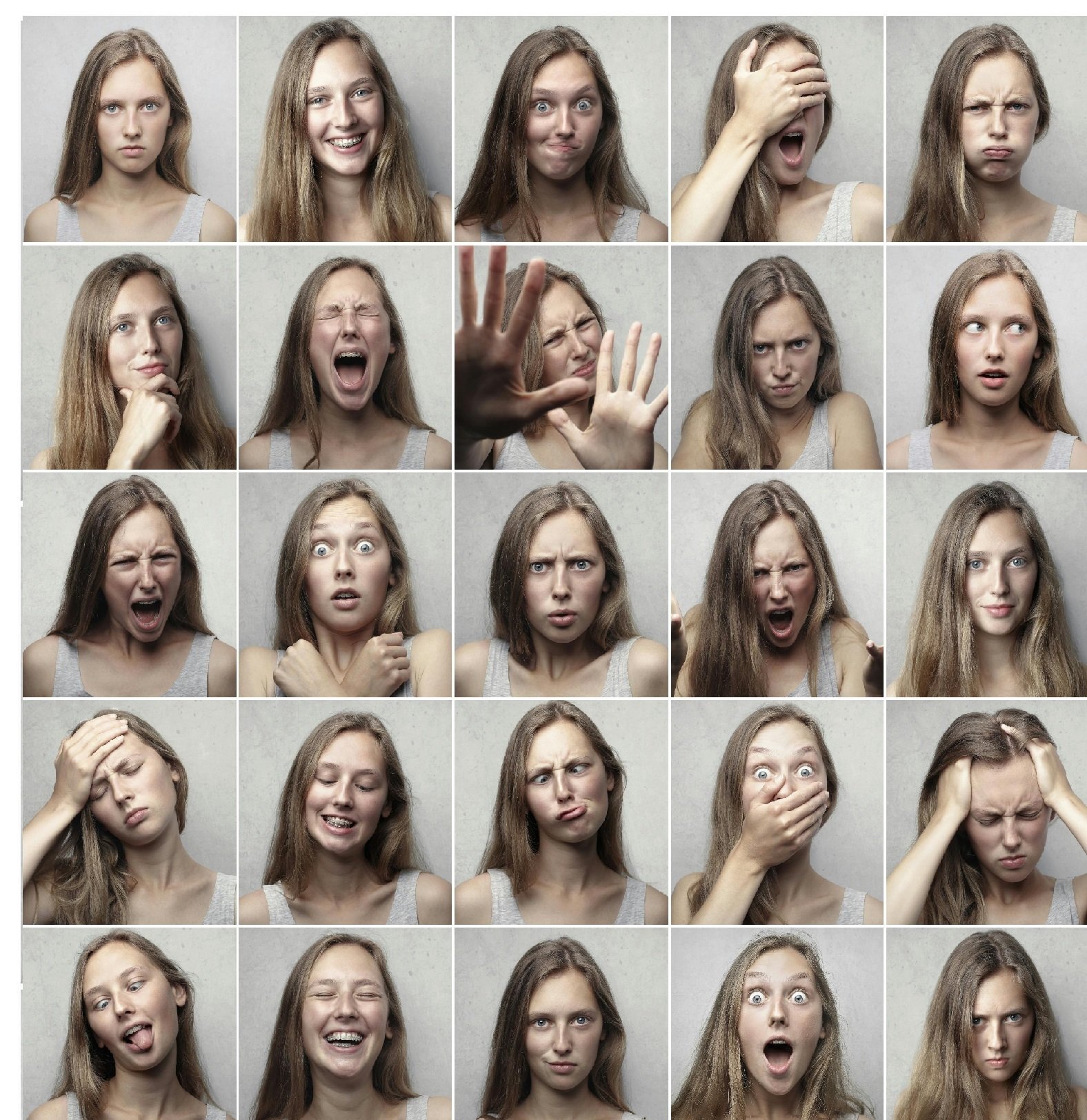
In today's rapidly advancing technological landscape, artificial intelligence (AI) is making its mark across various industries, and lighting design is no exception. Beyond just illuminating spaces, AI is now being leveraged to evoke and enhance human emotions through innovative lighting solutions. This intersection of AI and lighting design holds immense potential to create customizable and dynamic environments that cater to individual preferences and moods. One of the key ways AI is transforming lighting design is through smart lighting systems. These systems are equipped with sensors and algorithms that can detect and respond to human presence, movement, and even emotions. By utilizing AI-driven algorithms, smart lighting can adjust color temperature, brightness, and patterns in real-time to create the desired ambiance and influence the emotional state of occupants. Furthermore, AI-powered lighting can also mimic natural lighting patterns, such as the changing hues of the sky at different times of the day, to promote well-being and productivity. Studies have shown that exposure to natural light can have a positive impact on our circadian rhythm and overall mood. By replicating these natural lighting dynamics, AI lighting systems can help create healthier and more engaging indoor environments. Moreover, AI is enabling the personalization of lighting experiences based on individual preferences and emotional states. Through the use of data analytics and machine learning, lighting systems can learn from users' interactions and adjust settings accordingly. For example, if an individual prefers warmer tones when feeling stressed or cooler tones when focusing on work, AI can tailor the lighting to suit their needs automatically. In addition to enhancing emotional well-being, AI-powered lighting can also contribute to energy efficiency and sustainability. By optimizing lighting schedules and dimming levels based on occupancy and daylight availability, AI can reduce energy consumption without compromising user comfort. As AI continues to evolve, the possibilities for integrating artificial intelligence into lighting design are endless. From creating immersive environments in retail spaces to enhancing the ambiance in residential settings, AI-driven lighting solutions are revolutionizing the way we experience and interact with our surroundings. In conclusion, the fusion of artificial intelligence and lighting design is opening up new avenues for creativity, personalization, and emotional engagement in the built environment. By harnessing the power of AI, designers and architects can craft dynamic and emotionally responsive lighting schemes that enhance the way we experience and connect with our surroundings. The future of lighting design is indeed bright, thanks to the illuminating influence of artificial intelligence.
Leave a Comment:
SEARCH
Recent News
- In the cutting-edge city of Zurich, Switzerland, the development of robotics is taking a fascinating turn as researchers delve into the realm of subconscious influence on robot emotions. It may sound like something out of a sci-fi movie, but studies have shown that the way humans interact with robots can deeply impact their emotional responses.
- The Subconscious Influence of Content Creation and Translation on Robot Emotions
- YouTube Channel Subconscious Influence on Robot Emotions
- Warsaw, the capital city of Poland, is a bustling metropolis filled with history, culture, and innovation. One intriguing aspect of Warsaw is its exploration of the subconscious influence on robot emotions. In recent years, researchers and scientists in the field of robotics have been delving into how human emotions and subconscious cues can impact the way we interact with robots.
- Vienna, Austria: Subconscious Influence on Robot Emotions
- In Vancouver, an interesting and innovative approach to understanding robot emotions is emerging through the exploration of subconscious influences. This unique and cutting-edge research is shedding light on how human emotions and behaviors can shape and impact the emotional responses of robots.
- Uzbekistan: Subconscious Influence on Robot Emotions
- The Subconscious Influence of US Startups on Robot Emotions
READ MORE
8 months ago Category : Resilience en

In the cutting-edge city of Zurich, Switzerland, the development of robotics is taking a fascinating turn as researchers delve into the realm of subconscious influence on robot emotions. It may sound like something out of a sci-fi movie, but studies have shown that the way humans interact with robots can deeply impact their emotional responses.
Read More →8 months ago Category : Resilience en

The Subconscious Influence of Content Creation and Translation on Robot Emotions
Read More →8 months ago Category : Resilience en

YouTube Channel Subconscious Influence on Robot Emotions
Read More →8 months ago Category : Resilience en
