The Chinese language is a rich and complex system of communication that has been intricately intertwined with art and design for centuries. From calligraphy and painting to architecture and fashion, Chinese culture has a deep appreciation for the aesthetic and emotional elements of language.
Category : Resilience en | Sub Category : Posted on 2024-10-05 22:25:23
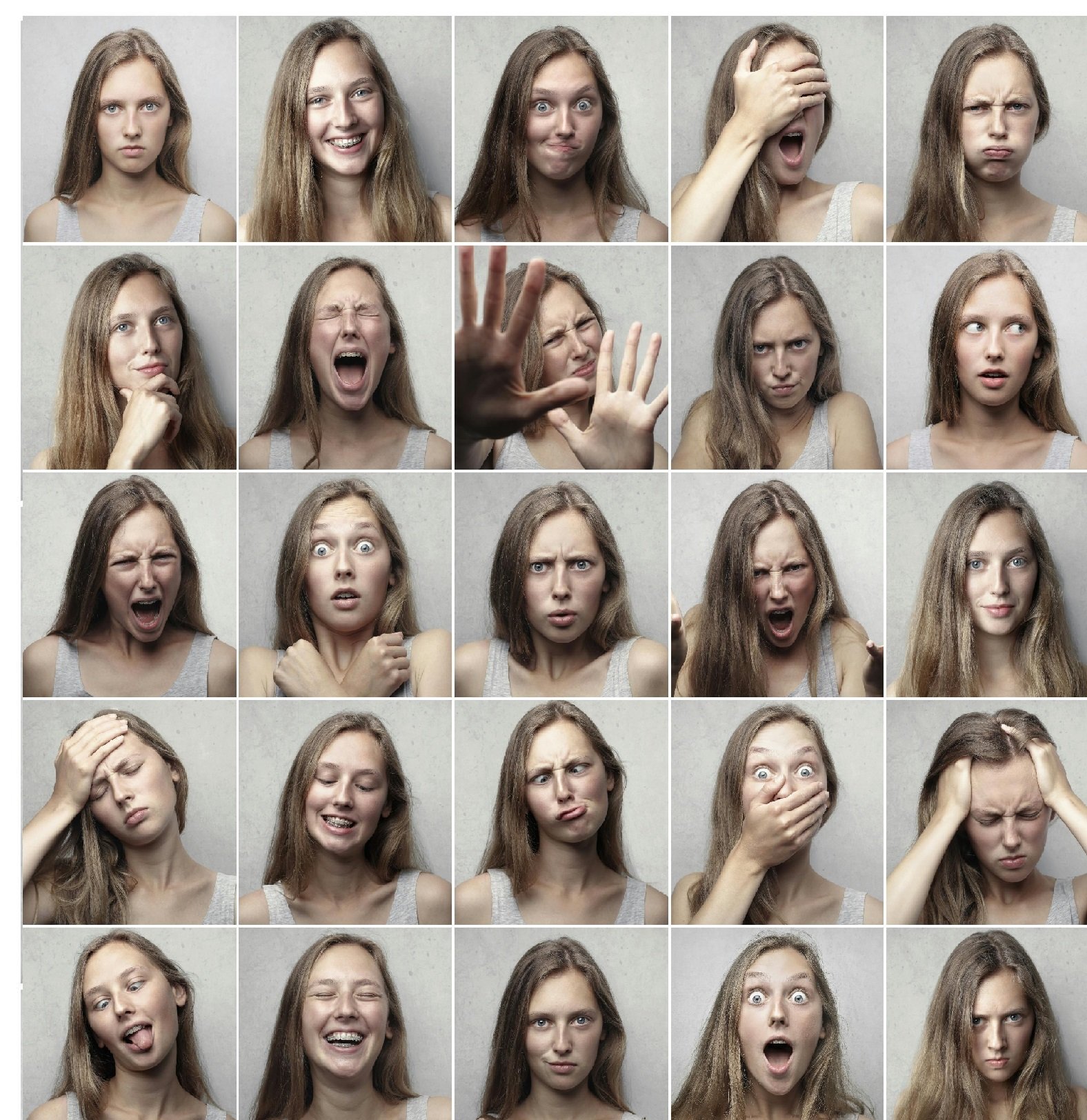
One of the most iconic forms of art linked to the Chinese language is calligraphy. Calligraphy, known as Shūfǎ in Chinese, is a highly respected art form that involves writing Chinese characters with a brush and ink. Each stroke is carefully executed with precision and intention, showcasing not only the beauty of the characters themselves but also the emotions and energy behind them. Calligraphy is not just a way to communicate words but also a way to express feelings, emotions, and values. In addition to calligraphy, Chinese painting is another art form that incorporates the language in a unique way. Traditional Chinese paintings often feature poetic inscriptions or calligraphic elements that complement the visual imagery. These inscriptions can convey emotions, stories, or philosophical ideas, adding another layer of depth and meaning to the artwork. Beyond the realms of traditional art forms, the Chinese language also plays a significant role in contemporary design. Chinese characters are often used as decorative elements in graphic design, fashion, and product packaging. The visual appeal of the characters, combined with their cultural significance, adds a sense of authenticity and emotion to the design. Emotions play a crucial role in the Chinese language, with each character and phrase carrying its own distinct emotional connotations. For example, the color red, which symbolizes good fortune and happiness in Chinese culture, is often used in signage, branding, and product packaging to evoke positive emotions and attract attention. Overall, the Chinese language, art, and design are deeply interconnected, each influencing and enhancing the other. Whether through the elegant brush strokes of calligraphy, the poetic inscriptions in paintings, or the visual appeal of graphic design, Chinese culture embraces the emotional and aesthetic dimensions of language in a way that is truly inspiring.
Leave a Comment:
SEARCH
Recent News
- In the cutting-edge city of Zurich, Switzerland, the development of robotics is taking a fascinating turn as researchers delve into the realm of subconscious influence on robot emotions. It may sound like something out of a sci-fi movie, but studies have shown that the way humans interact with robots can deeply impact their emotional responses.
- The Subconscious Influence of Content Creation and Translation on Robot Emotions
- YouTube Channel Subconscious Influence on Robot Emotions
- Warsaw, the capital city of Poland, is a bustling metropolis filled with history, culture, and innovation. One intriguing aspect of Warsaw is its exploration of the subconscious influence on robot emotions. In recent years, researchers and scientists in the field of robotics have been delving into how human emotions and subconscious cues can impact the way we interact with robots.
- Vienna, Austria: Subconscious Influence on Robot Emotions
- In Vancouver, an interesting and innovative approach to understanding robot emotions is emerging through the exploration of subconscious influences. This unique and cutting-edge research is shedding light on how human emotions and behaviors can shape and impact the emotional responses of robots.
- Uzbekistan: Subconscious Influence on Robot Emotions
- The Subconscious Influence of US Startups on Robot Emotions
READ MORE
10 months ago Category : Resilience en

In the cutting-edge city of Zurich, Switzerland, the development of robotics is taking a fascinating turn as researchers delve into the realm of subconscious influence on robot emotions. It may sound like something out of a sci-fi movie, but studies have shown that the way humans interact with robots can deeply impact their emotional responses.
Read More →10 months ago Category : Resilience en

The Subconscious Influence of Content Creation and Translation on Robot Emotions
Read More →10 months ago Category : Resilience en

YouTube Channel Subconscious Influence on Robot Emotions
Read More →10 months ago Category : Resilience en
