Exploring Emotions in Japan and Delhi, India: A Cultural Comparison
Category : Resilience en | Sub Category : Posted on 2024-10-05 22:25:23
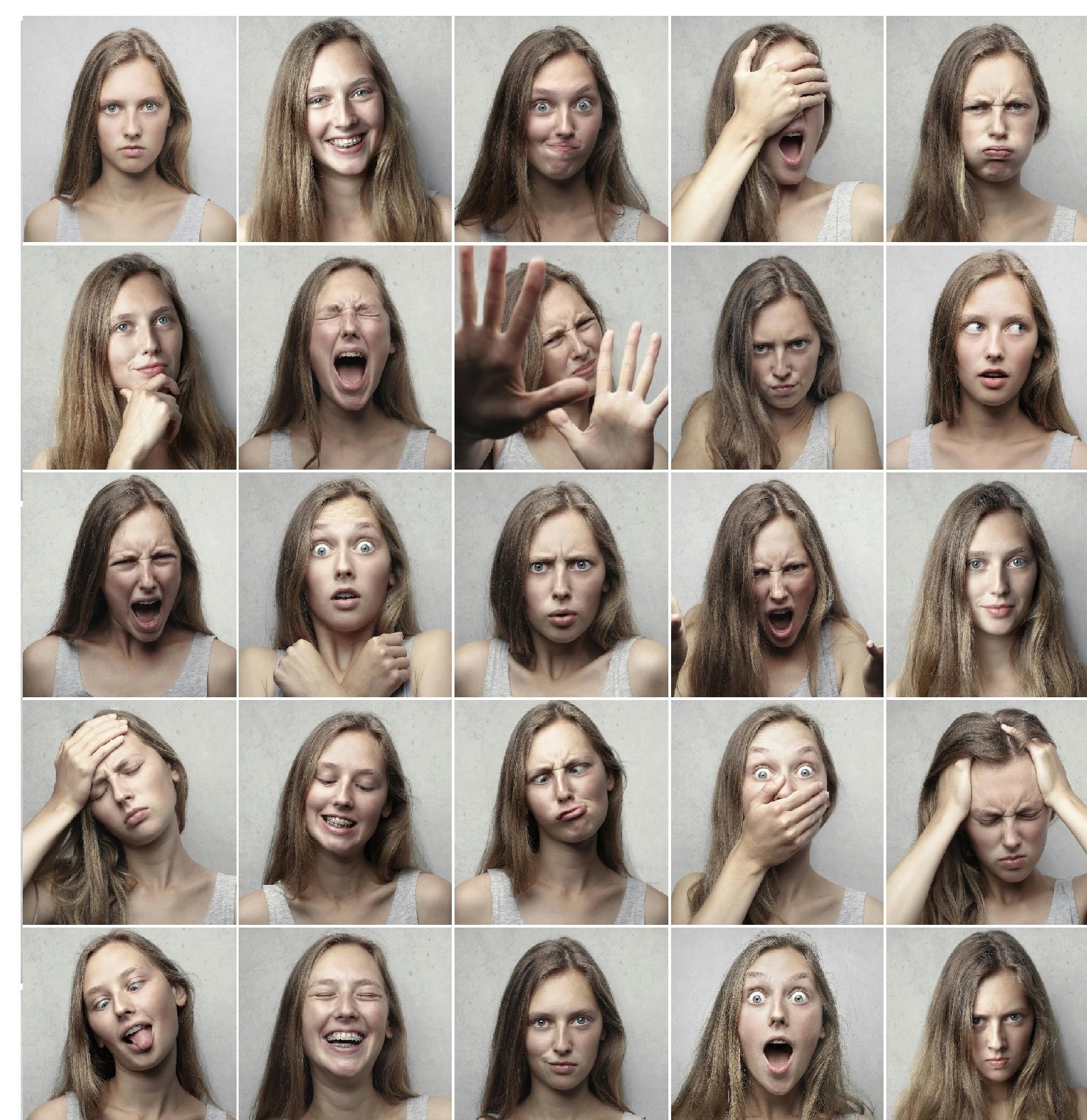
When it comes to emotions, different cultures around the world have varying ways of expressing and managing their feelings. In this blog post, we will delve into the emotional landscapes of two vibrant and diverse locations - Japan and Delhi, India. Japan is a country known for its unique cultural practices and customs, including the concept of "honne" and "tatemae." Honne refers to a person's true feelings and desires, while tatemae is the behavior that is expected in social situations. This duality can often lead to a sense of emotional suppression in Japanese society, as individuals strive to maintain harmony and avoid conflict. In contrast, Delhi, India, is a city that pulsates with emotions. From the bustling streets filled with honking cars to the vibrant markets teeming with life, Delhi is a place where emotions are worn on sleeves. The warmth and expressiveness of the people in Delhi can be seen in their passionate conversations, colorful festivals, and lively celebrations. One key aspect of emotional expression in both Japan and Delhi is the importance of relationships. In Japan, the concept of "wa" emphasizes the value of maintaining harmonious relationships with others, even if it means sacrificing one's own feelings. Similarly, in Delhi, the strong emphasis on family ties and social connections plays a crucial role in shaping emotional experiences. Another interesting contrast between the two locations is the role of non-verbal communication in expressing emotions. In Japan, subtle gestures and facial expressions are often used to convey feelings, as direct verbal communication is sometimes avoided to maintain politeness. On the other hand, in Delhi, hand movements, eye contact, and animated facial expressions are common ways of expressing emotions openly and energetically. Despite these differences, both Japan and Delhi offer rich and complex emotional landscapes that reflect the unique histories, traditions, and values of their respective cultures. Whether it is the stoic composure of a Japanese tea ceremony or the exuberant celebrations of a Delhi wedding, emotions play a central role in shaping the experiences and interactions of individuals in these dynamic locations. In conclusion, exploring the emotional dynamics of Japan and Delhi provides valuable insights into the diversity of human experiences around the world. By appreciating the complexities of emotional expression in different cultures, we can broaden our understanding of ourselves and others, fostering greater empathy and connection in an increasingly globalized world. also for More in https://www.indiatokorea.com Expand your knowledge by perusing https://www.todelhi.com Don't miss more information at https://www.tomumbai.com
Leave a Comment:
SEARCH
Recent News
- In the cutting-edge city of Zurich, Switzerland, the development of robotics is taking a fascinating turn as researchers delve into the realm of subconscious influence on robot emotions. It may sound like something out of a sci-fi movie, but studies have shown that the way humans interact with robots can deeply impact their emotional responses.
- The Subconscious Influence of Content Creation and Translation on Robot Emotions
- YouTube Channel Subconscious Influence on Robot Emotions
- Warsaw, the capital city of Poland, is a bustling metropolis filled with history, culture, and innovation. One intriguing aspect of Warsaw is its exploration of the subconscious influence on robot emotions. In recent years, researchers and scientists in the field of robotics have been delving into how human emotions and subconscious cues can impact the way we interact with robots.
- Vienna, Austria: Subconscious Influence on Robot Emotions
- In Vancouver, an interesting and innovative approach to understanding robot emotions is emerging through the exploration of subconscious influences. This unique and cutting-edge research is shedding light on how human emotions and behaviors can shape and impact the emotional responses of robots.
- Uzbekistan: Subconscious Influence on Robot Emotions
- The Subconscious Influence of US Startups on Robot Emotions
READ MORE
10 months ago Category : Resilience en

In the cutting-edge city of Zurich, Switzerland, the development of robotics is taking a fascinating turn as researchers delve into the realm of subconscious influence on robot emotions. It may sound like something out of a sci-fi movie, but studies have shown that the way humans interact with robots can deeply impact their emotional responses.
Read More →10 months ago Category : Resilience en

The Subconscious Influence of Content Creation and Translation on Robot Emotions
Read More →10 months ago Category : Resilience en

YouTube Channel Subconscious Influence on Robot Emotions
Read More →10 months ago Category : Resilience en
