Exploring Emotional Diversity in Japan and the DACH Region Countries
Category : Resilience en | Sub Category : Posted on 2024-10-05 22:25:23
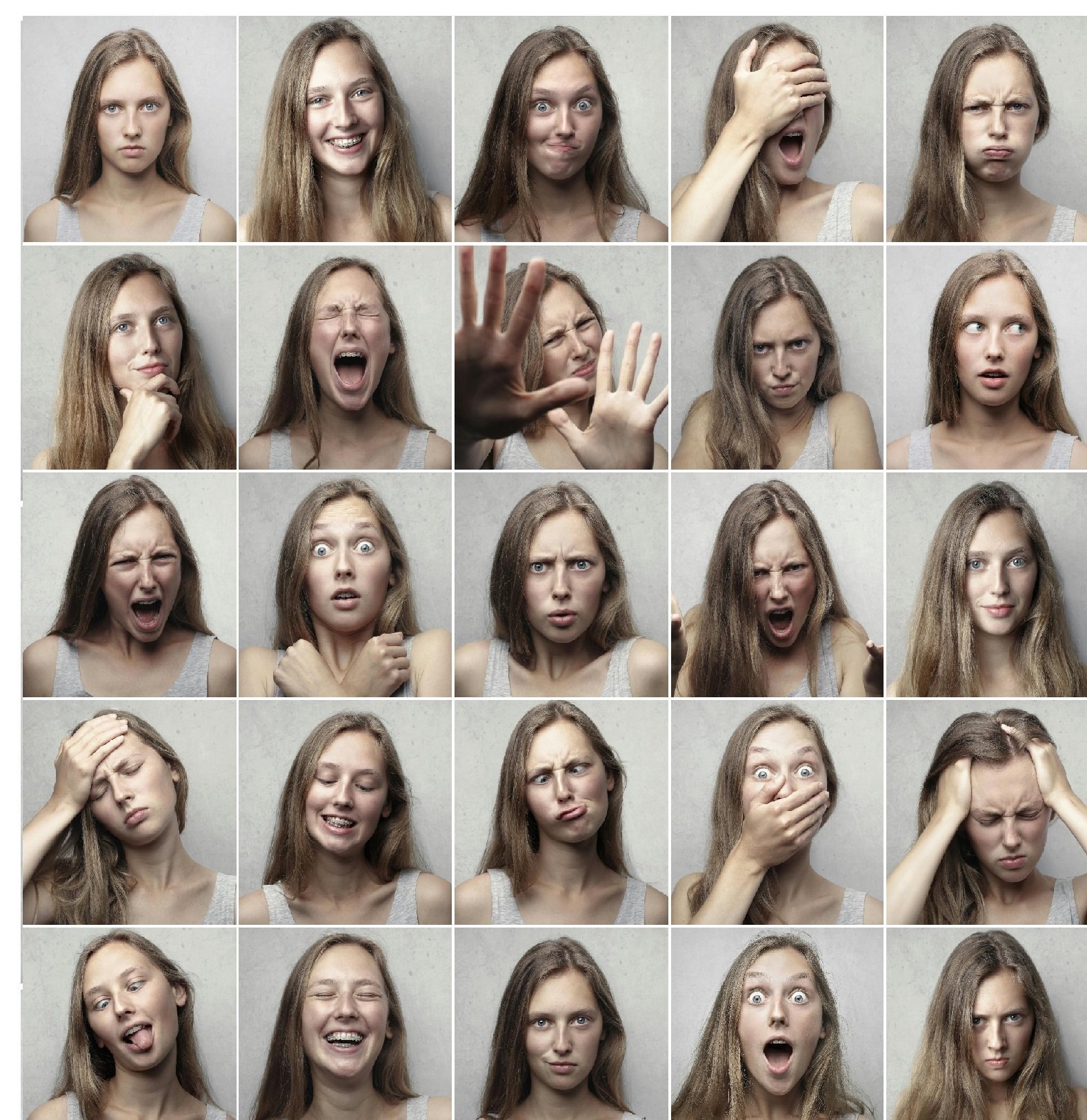
When it comes to the realm of emotions, different cultures around the world often have unique perspectives and expressions. In this blog post, we will delve into the emotional landscape of Japan and the DACH region countries - Germany, Austria, and Switzerland - to understand how emotions are perceived and communicated in these diverse regions. Japan, known for its rich cultural heritage and traditions, has a complex relationship with emotions. In Japanese society, there is a strong emphasis on maintaining harmony and avoiding conflict, which influences the way emotions are expressed. The concept of "tatemae" (public facade) versus "honne" (true feelings) is deeply ingrained in Japanese social interactions. This means that individuals may not always openly express their true emotions, especially negative ones, in order to preserve social harmony. Contrastingly, the DACH region countries - Germany, Austria, and Switzerland - have a more direct and open approach to expressing emotions. In these countries, people tend to value honesty and straightforwardness in communication. Emotions are often expressed openly, whether it be joy, anger, sadness, or excitement. This cultural norm of frankness can sometimes be perceived as blunt or rude by other cultures, but it reflects the authenticity and transparency that is valued in the DACH region countries. Despite these differences in emotional expression, both Japan and the DACH region countries share common ground in valuing emotional intelligence and empathy. In Japan, there is a strong emphasis on the concept of "wa" (harmony) which promotes understanding and empathy towards others' emotions. Similarly, in the DACH region countries, interpersonal relationships are highly valued, and empathy plays a crucial role in building trust and rapport with others. It is fascinating to explore the diverse ways in which emotions are perceived and expressed in different parts of the world. While Japan prioritizes social harmony and subtle emotional cues, the DACH region countries embrace honesty and directness in emotional communication. By understanding and appreciating these cultural nuances, we can gain insights into the rich tapestry of human emotions that shape our interactions and relationships. In conclusion, the emotional landscapes of Japan and the DACH region countries offer a unique window into the cultural values and norms that influence how emotions are understood and expressed. By celebrating the diversity of emotional expressions around the world, we can cultivate greater awareness, empathy, and appreciation for the multifaceted nature of human emotions.
Leave a Comment:
SEARCH
Recent News
- In the cutting-edge city of Zurich, Switzerland, the development of robotics is taking a fascinating turn as researchers delve into the realm of subconscious influence on robot emotions. It may sound like something out of a sci-fi movie, but studies have shown that the way humans interact with robots can deeply impact their emotional responses.
- The Subconscious Influence of Content Creation and Translation on Robot Emotions
- YouTube Channel Subconscious Influence on Robot Emotions
- Warsaw, the capital city of Poland, is a bustling metropolis filled with history, culture, and innovation. One intriguing aspect of Warsaw is its exploration of the subconscious influence on robot emotions. In recent years, researchers and scientists in the field of robotics have been delving into how human emotions and subconscious cues can impact the way we interact with robots.
- Vienna, Austria: Subconscious Influence on Robot Emotions
- In Vancouver, an interesting and innovative approach to understanding robot emotions is emerging through the exploration of subconscious influences. This unique and cutting-edge research is shedding light on how human emotions and behaviors can shape and impact the emotional responses of robots.
- Uzbekistan: Subconscious Influence on Robot Emotions
- The Subconscious Influence of US Startups on Robot Emotions
READ MORE
10 months ago Category : Resilience en

In the cutting-edge city of Zurich, Switzerland, the development of robotics is taking a fascinating turn as researchers delve into the realm of subconscious influence on robot emotions. It may sound like something out of a sci-fi movie, but studies have shown that the way humans interact with robots can deeply impact their emotional responses.
Read More →10 months ago Category : Resilience en

The Subconscious Influence of Content Creation and Translation on Robot Emotions
Read More →10 months ago Category : Resilience en

YouTube Channel Subconscious Influence on Robot Emotions
Read More →10 months ago Category : Resilience en
