Exploring Cultural Differences in Expressing Emotions: Japan vs. Netherlands
Category : Resilience en | Sub Category : Posted on 2024-10-05 22:25:23
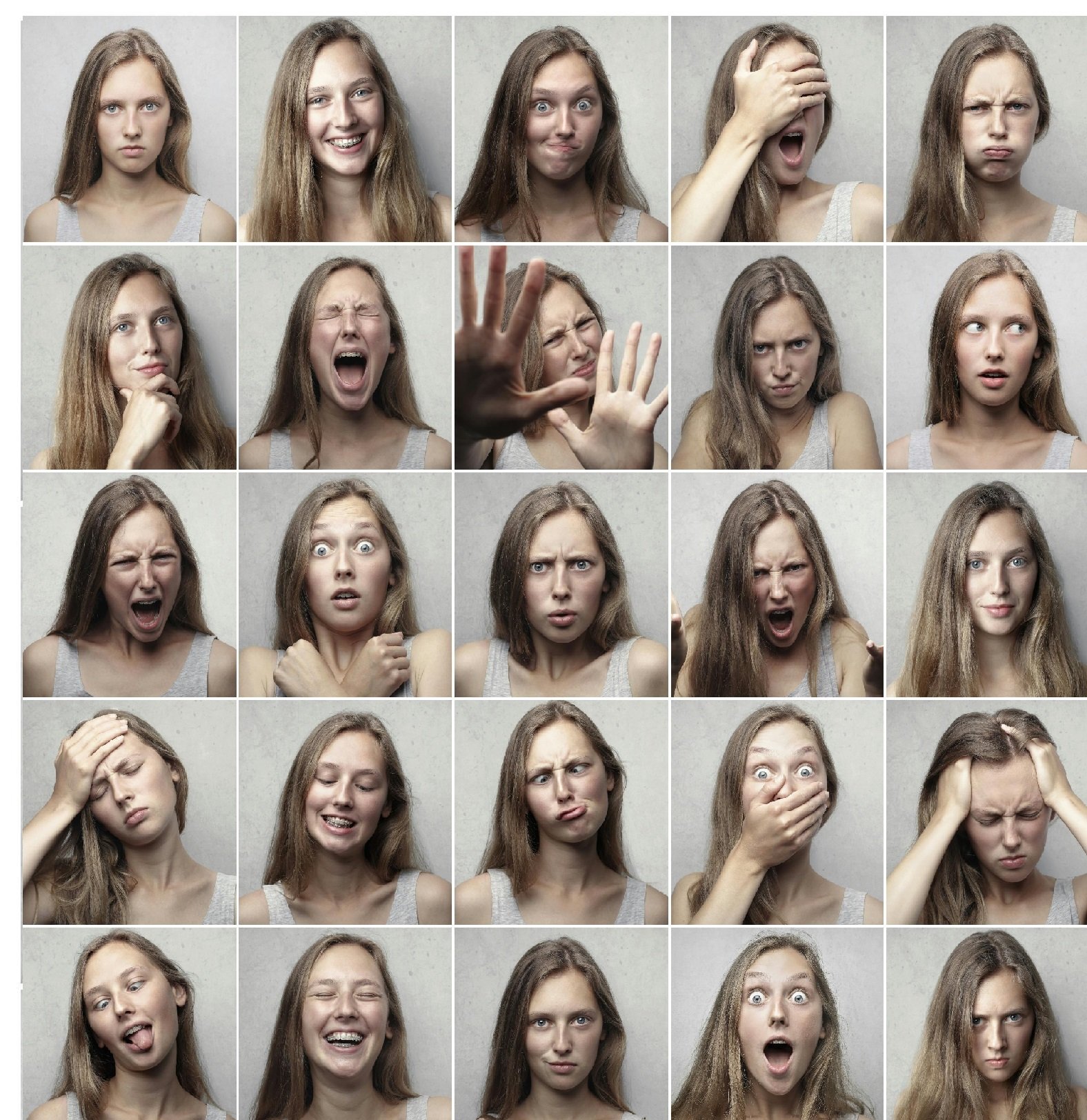
Emotions are an integral part of human behavior and communication, shaping our interactions and relationships with others. However, the way emotions are expressed can vary significantly between different cultures. In this blog post, we will delve into the fascinating contrast between how emotions are approached in Japan and the Netherlands, two countries with distinct cultural norms and practices. Japan is known for its emphasis on harmony, collectivism, and indirect communication. In Japanese culture, it is common for individuals to restrain their emotions and maintain a sense of emotional control, particularly in public settings. This cultural value is deeply rooted in the concept of "mieru tameni" (seen by others), where individuals prioritize the perception and feelings of others above their own. As a result, overt displays of emotions such as anger or exuberance are often considered inappropriate in Japanese society. Conversely, the Netherlands has a reputation for its directness, individualism, and open communication style. Dutch people are known for being straightforward, honest, and unapologetically expressive of their emotions. In Dutch culture, there is a strong emphasis on authenticity and speaking one's mind, even if it means confronting uncomfortable truths or engaging in heated debates. The differences in emotional expression between Japan and the Netherlands can be observed in various social contexts. For example, in Japan, people may use subtle gestures, facial expressions, or non-verbal cues to convey their feelings, while in the Netherlands, individuals are more likely to express their emotions through verbal communication and explicit statements. Moreover, the way emotions are perceived and managed also differs between the two cultures. In Japan, there is a cultural norm of "amae," referring to the emotional dependence and nurturing behavior that characterizes relationships, such as between parents and children or within romantic partnerships. On the other hand, the Dutch tend to prioritize individual autonomy and self-reliance, valuing personal boundaries and independence in emotional matters. Despite these contrasting approaches to emotions, both Japan and the Netherlands have unique strengths and challenges in how they navigate emotional expressions within their respective cultural frameworks. By understanding and appreciating these differences, we can cultivate greater intercultural awareness and empathy, fostering meaningful connections and relationships across cultural boundaries. In conclusion, the cultural differences in expressing emotions between Japan and the Netherlands offer a rich tapestry of insights into the diverse ways in which human emotions are perceived, communicated, and experienced around the world. By embracing the complexity of these cultural nuances, we can deepen our understanding of ourselves and others, promoting empathy, mutual respect, and cross-cultural harmony.
Leave a Comment:
SEARCH
Recent News
- In the cutting-edge city of Zurich, Switzerland, the development of robotics is taking a fascinating turn as researchers delve into the realm of subconscious influence on robot emotions. It may sound like something out of a sci-fi movie, but studies have shown that the way humans interact with robots can deeply impact their emotional responses.
- The Subconscious Influence of Content Creation and Translation on Robot Emotions
- YouTube Channel Subconscious Influence on Robot Emotions
- Warsaw, the capital city of Poland, is a bustling metropolis filled with history, culture, and innovation. One intriguing aspect of Warsaw is its exploration of the subconscious influence on robot emotions. In recent years, researchers and scientists in the field of robotics have been delving into how human emotions and subconscious cues can impact the way we interact with robots.
- Vienna, Austria: Subconscious Influence on Robot Emotions
- In Vancouver, an interesting and innovative approach to understanding robot emotions is emerging through the exploration of subconscious influences. This unique and cutting-edge research is shedding light on how human emotions and behaviors can shape and impact the emotional responses of robots.
- Uzbekistan: Subconscious Influence on Robot Emotions
- The Subconscious Influence of US Startups on Robot Emotions
READ MORE
10 months ago Category : Resilience en

In the cutting-edge city of Zurich, Switzerland, the development of robotics is taking a fascinating turn as researchers delve into the realm of subconscious influence on robot emotions. It may sound like something out of a sci-fi movie, but studies have shown that the way humans interact with robots can deeply impact their emotional responses.
Read More →10 months ago Category : Resilience en

The Subconscious Influence of Content Creation and Translation on Robot Emotions
Read More →10 months ago Category : Resilience en

YouTube Channel Subconscious Influence on Robot Emotions
Read More →10 months ago Category : Resilience en
