**Exploring Emotions: A Cultural Comparison between Japan and Sweden**
Category : Resilience en | Sub Category : Posted on 2024-10-05 22:25:23
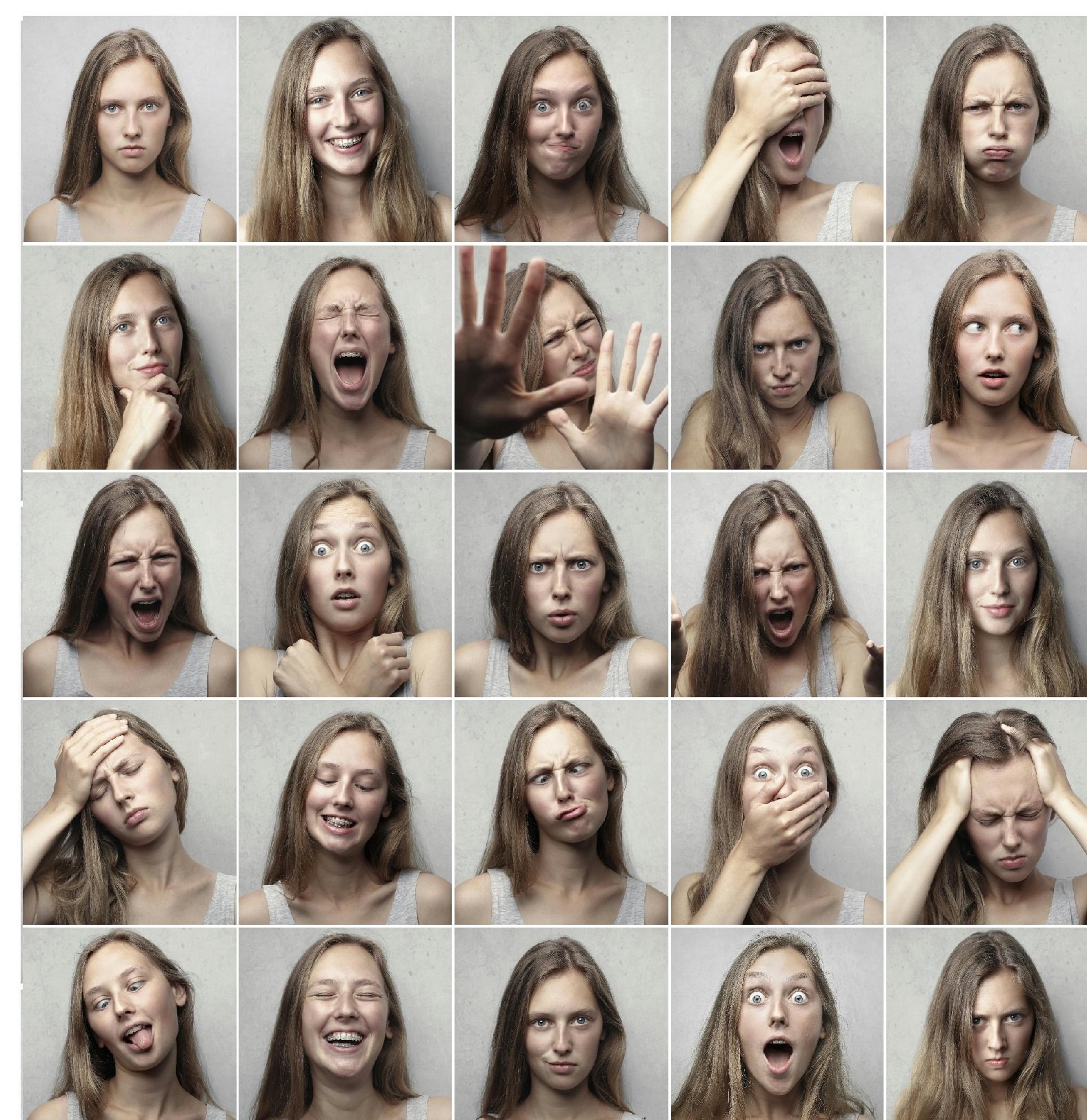
Emotions play a significant role in our lives, influencing how we think, act, and interact with others. However, the expression and perception of emotions can vary greatly across different cultures. In this blog post, we will delve into the cultural differences in emotional expression between Japan and Sweden, two countries known for their unique cultural traditions and societal norms. **Japan:** In Japan, emotional expression is often subtle and restrained. This can be attributed to the concept of "tatemae" and "honne," which refer to the public facade and private feelings respectively. Japanese society values harmony and avoiding conflict, so expressing strong emotions openly is often considered inappropriate. As a result, individuals in Japan may use non-verbal cues such as facial expressions, body language, and silence to convey their emotions. Emotions such as joy, gratitude, and respect are commonly expressed through polite language and gestures, while negative emotions like anger and sadness are typically suppressed or expressed indirectly. The importance of saving face and maintaining a harmonious social atmosphere influences how emotions are displayed and managed in Japanese culture. **Sweden:** In contrast, Sweden has a more individualistic and open approach to emotional expression. Swedes tend to value honesty, authenticity, and direct communication in their interactions with others. Emotions are seen as a natural and essential part of human experience, and expressing one's feelings is considered healthy and cathartic. Swedes are known for their work-life balance and emphasis on personal well-being, which may contribute to a more relaxed attitude towards emotional expression. Positive emotions such as happiness, excitement, and contentment are openly celebrated and shared with others, while negative emotions are acknowledged and addressed in a constructive manner. **Cultural Influences on Emotions:** The differences in emotional expression between Japan and Sweden can be attributed to their unique cultural values, social norms, and historical background. In Japan, the emphasis on politeness, group harmony, and social conformity shapes how emotions are expressed and regulated. In Sweden, on the other hand, the emphasis on individualism, self-expression, and equality creates a more permissive and open cultural context for emotional expression. Despite these differences, both Japan and Sweden offer valuable insights into the complex interplay between culture and emotions. By exploring the cultural nuances of emotional expression, we can gain a deeper understanding of how emotions shape our perceptions, relationships, and sense of self. In conclusion, the comparison between Japan and Sweden highlights the diverse ways in which emotions are expressed and perceived across cultures. By recognizing and appreciating these cultural differences, we can cultivate empathy, respect, and understanding in our interactions with others, regardless of where they come from. Embracing the rich tapestry of emotional diversity in our global community can enrich our lives and foster a more inclusive and harmonious world.
Leave a Comment:
SEARCH
Recent News
- In the cutting-edge city of Zurich, Switzerland, the development of robotics is taking a fascinating turn as researchers delve into the realm of subconscious influence on robot emotions. It may sound like something out of a sci-fi movie, but studies have shown that the way humans interact with robots can deeply impact their emotional responses.
- The Subconscious Influence of Content Creation and Translation on Robot Emotions
- YouTube Channel Subconscious Influence on Robot Emotions
- Warsaw, the capital city of Poland, is a bustling metropolis filled with history, culture, and innovation. One intriguing aspect of Warsaw is its exploration of the subconscious influence on robot emotions. In recent years, researchers and scientists in the field of robotics have been delving into how human emotions and subconscious cues can impact the way we interact with robots.
- Vienna, Austria: Subconscious Influence on Robot Emotions
- In Vancouver, an interesting and innovative approach to understanding robot emotions is emerging through the exploration of subconscious influences. This unique and cutting-edge research is shedding light on how human emotions and behaviors can shape and impact the emotional responses of robots.
- Uzbekistan: Subconscious Influence on Robot Emotions
- The Subconscious Influence of US Startups on Robot Emotions
READ MORE
10 months ago Category : Resilience en

In the cutting-edge city of Zurich, Switzerland, the development of robotics is taking a fascinating turn as researchers delve into the realm of subconscious influence on robot emotions. It may sound like something out of a sci-fi movie, but studies have shown that the way humans interact with robots can deeply impact their emotional responses.
Read More →10 months ago Category : Resilience en

The Subconscious Influence of Content Creation and Translation on Robot Emotions
Read More →10 months ago Category : Resilience en

YouTube Channel Subconscious Influence on Robot Emotions
Read More →10 months ago Category : Resilience en
