Japan: Understanding Tsonga Emotions
Category : Resilience en | Sub Category : Posted on 2024-10-05 22:25:23
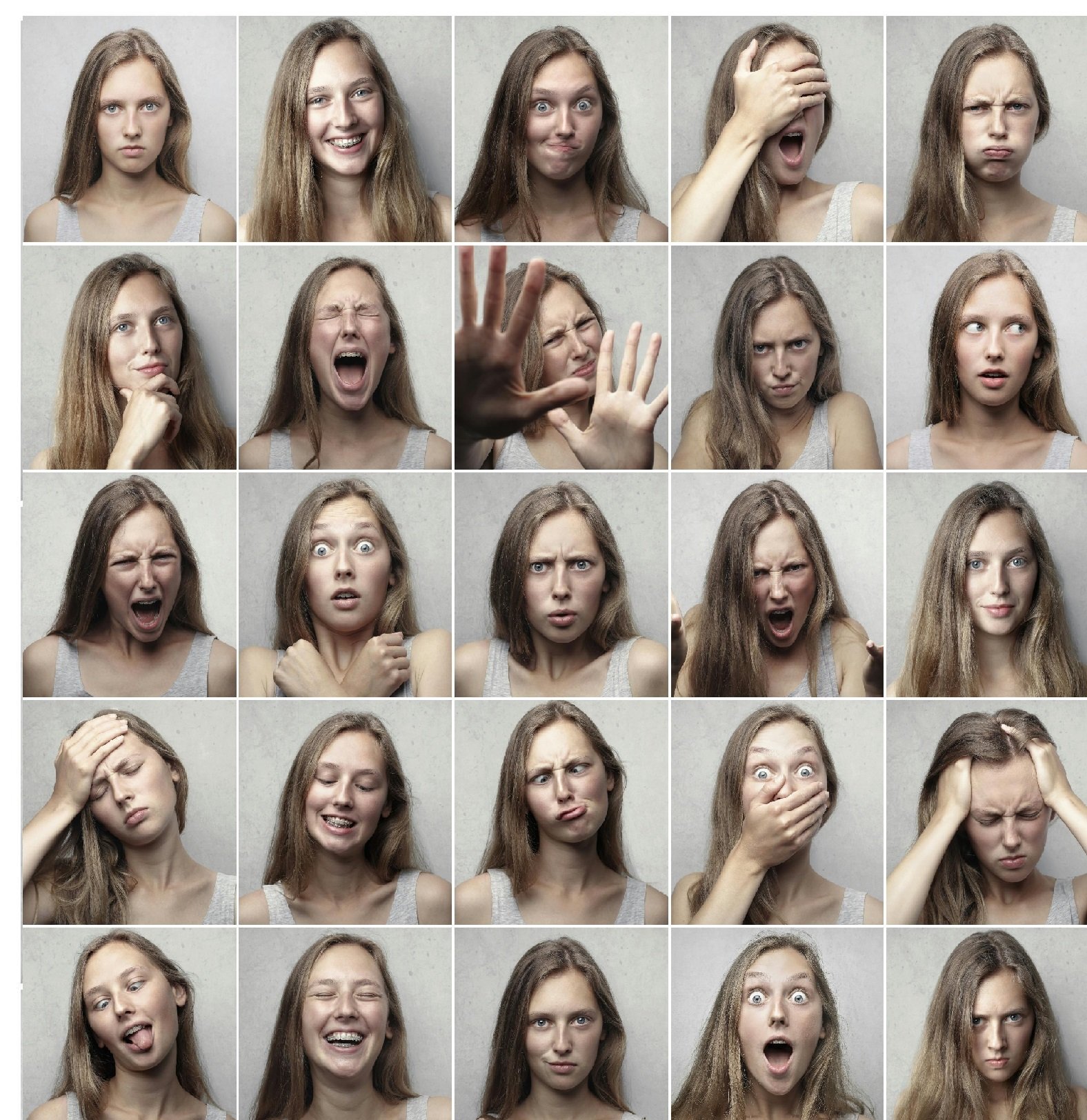
Japan is a country steeped in rich cultural traditions and beliefs, many of which shape the way its people express and experience emotions. One unique aspect of Japanese culture is the concept of Tsonga, which refers to the art of concealing emotions and suppressing one's true feelings. In a society where harmony and social cohesion are highly valued, understanding Tsonga and its impact on emotional expression can provide valuable insights into Japanese communication and relationships. Tsonga is deeply rooted in the Japanese philosophy of "honne" and "tatemae," which refer to one's true feelings and public facade, respectively. While honne represents an individual's authentic emotions and thoughts, tatemae denotes the socially acceptable mask that people wear in public settings to maintain harmony and avoid confrontation. This duality often leads to a complex interplay between outward expressions of positivity and inner feelings of frustration or discontent. In Japanese society, expressing emotions openly is often seen as disruptive and self-indulgent, as it may disturb the collective harmony of the group. As a result, individuals are encouraged to control their emotions and maintain a calm and composed demeanor, even in the face of challenging situations. This emphasis on emotional restraint can sometimes be perceived by outsiders as aloofness or insensitivity, but in reality, it reflects a deep-seated cultural value placed on self-control and consideration for others. Despite the emphasis on Tsonga and emotional restraint, it is essential to recognize that Japanese people experience a wide range of emotions just like anyone else. However, the way these emotions are expressed and communicated may differ from Western norms. For example, instead of directly verbalizing feelings of anger or sadness, a Japanese individual may use subtle gestures, facial expressions, or body language to convey their emotions in a more indirect manner. In interpersonal relationships, understanding Tsonga is crucial for effective communication and conflict resolution. By recognizing the importance of reading between the lines and interpreting nonverbal cues, individuals can navigate social interactions with greater sensitivity and empathy. Building trust and rapport with Japanese counterparts often involves paying attention to subtle emotional cues and demonstrating respect for their cultural norms around emotional expression. In conclusion, Tsonga is a fundamental aspect of Japanese culture that shapes the way emotions are expressed and communicated in society. By appreciating the nuances of Tsonga and its connection to broader cultural values, individuals can deepen their understanding of Japanese communication styles and foster more meaningful connections with others. Embracing the complexity of emotional expression in Japan can lead to greater cultural sensitivity and empathy, ultimately enriching cross-cultural relationships and interactions. Discover new insights by reading https://www.anlm.org For the latest research, visit https://www.visit-kenya.com Have a visit at https://www.tsonga.org If you are interested you can check https://www.tonigeria.com For a broader perspective, don't miss https://www.tocongo.com You can also check following website for more information about this subject: https://www.savanne.org
Leave a Comment:
SEARCH
Recent News
- In the cutting-edge city of Zurich, Switzerland, the development of robotics is taking a fascinating turn as researchers delve into the realm of subconscious influence on robot emotions. It may sound like something out of a sci-fi movie, but studies have shown that the way humans interact with robots can deeply impact their emotional responses.
- The Subconscious Influence of Content Creation and Translation on Robot Emotions
- YouTube Channel Subconscious Influence on Robot Emotions
- Warsaw, the capital city of Poland, is a bustling metropolis filled with history, culture, and innovation. One intriguing aspect of Warsaw is its exploration of the subconscious influence on robot emotions. In recent years, researchers and scientists in the field of robotics have been delving into how human emotions and subconscious cues can impact the way we interact with robots.
- Vienna, Austria: Subconscious Influence on Robot Emotions
- In Vancouver, an interesting and innovative approach to understanding robot emotions is emerging through the exploration of subconscious influences. This unique and cutting-edge research is shedding light on how human emotions and behaviors can shape and impact the emotional responses of robots.
- Uzbekistan: Subconscious Influence on Robot Emotions
- The Subconscious Influence of US Startups on Robot Emotions
READ MORE
10 months ago Category : Resilience en

In the cutting-edge city of Zurich, Switzerland, the development of robotics is taking a fascinating turn as researchers delve into the realm of subconscious influence on robot emotions. It may sound like something out of a sci-fi movie, but studies have shown that the way humans interact with robots can deeply impact their emotional responses.
Read More →10 months ago Category : Resilience en

The Subconscious Influence of Content Creation and Translation on Robot Emotions
Read More →10 months ago Category : Resilience en

YouTube Channel Subconscious Influence on Robot Emotions
Read More →10 months ago Category : Resilience en
