Navigating Emotions in Art and Design: The Impact of Law and Regulations
Category : Resilience en | Sub Category : Posted on 2024-10-05 22:25:23
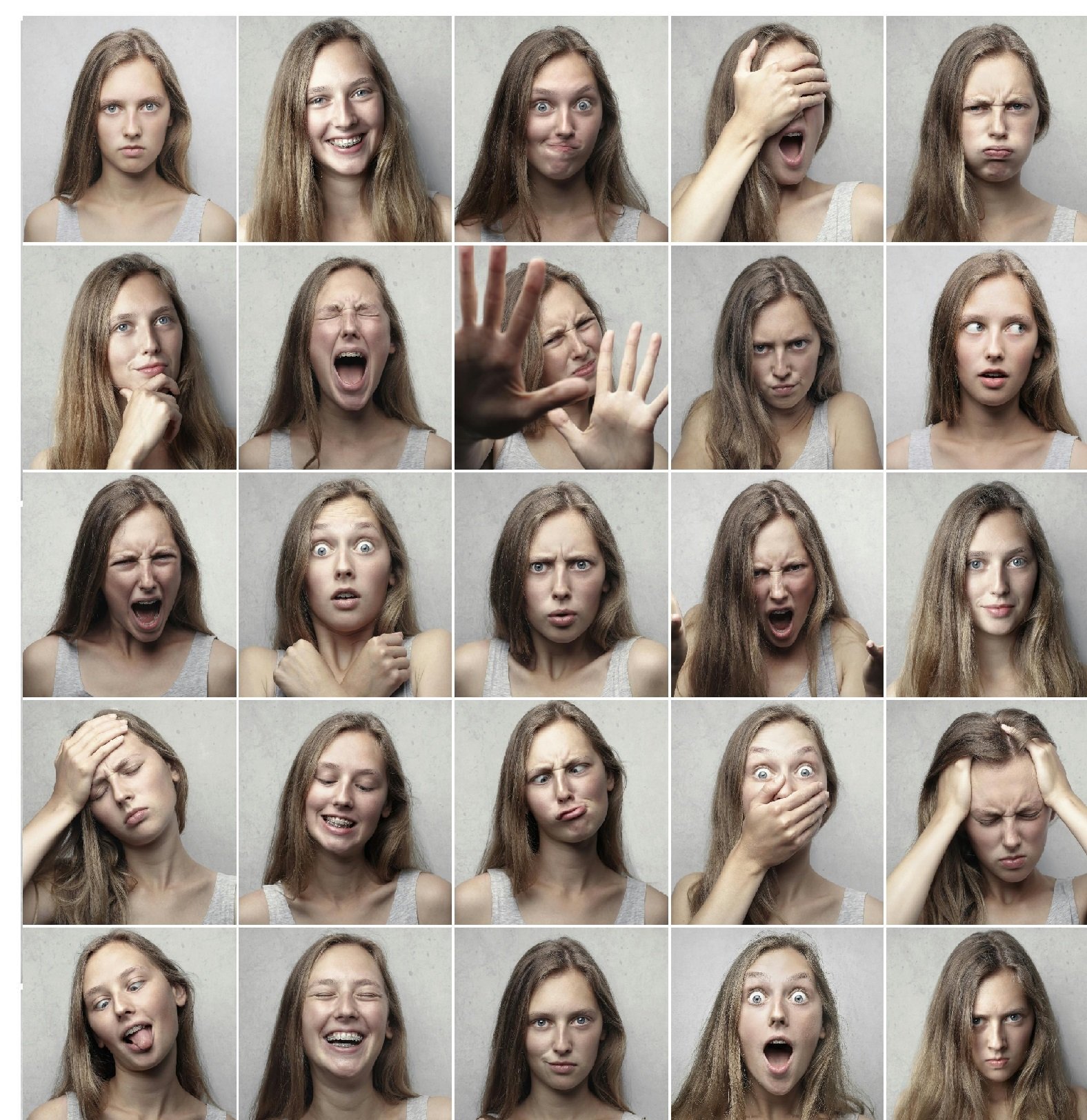
Emotions play a significant role in the world of art and design, influencing both creators and viewers alike. Artists often draw inspiration from their own emotions, channeling them into their work to evoke thought, provoke feelings, and create connections with their audience. Similarly, individuals drawn to art and design are often driven by their emotional response to visual stimuli, seeking out pieces that resonate with their innermost feelings and experiences. However, the intersection of emotions, art, and design is not without its complexities, especially when it comes to navigating the legal and regulatory landscape that governs this creative realm. From copyright laws to censorship regulations, artists and designers must adhere to a multitude of legal requirements to protect their work and ensure compliance with industry standards. This can pose challenges when working with emotionally charged subject matter or pushing boundaries with provocative designs. For example, a piece of art that deals with sensitive topics like mental health or social justice may run the risk of facing censorship or legal scrutiny in certain contexts. Designers exploring controversial themes in their work may also encounter challenges in obtaining copyright protection or facing backlash from stakeholders who find their creations too emotionally charged. Moreover, the emotional impact of art and design can extend beyond the creative process into the realm of consumer behavior and marketing strategies. Brands often leverage emotions to connect with their target audience, using visual storytelling and design elements to evoke specific feelings and associations. However, marketers must also consider the legal implications of their emotional appeals, ensuring that their campaigns comply with advertising standards and do not mislead or manipulate consumers through their use of emotions. In navigating the complex interplay between emotions, art, design, and the law, creators and practitioners can benefit from a nuanced understanding of how these elements intersect. By staying informed about legal requirements, ethical considerations, and industry best practices, artists and designers can harness the power of emotions in their work while mitigating potential risks and challenges. Furthermore, fostering open dialogue and collaboration between legal experts, creatives, and regulators can help foster a more inclusive and responsible creative environment where emotions can be expressed freely and ethically. In conclusion, emotions are a driving force in the world of art and design, shaping both the creative process and the ways in which audiences engage with visual stimuli. By recognizing the impact of law and regulations on emotional expression in art and design, stakeholders can work towards a more harmonious balance between creativity, compliance, and ethical responsibility. Through careful consideration and thoughtful dialogue, the transformative power of emotions in art and design can be harnessed to inspire, provoke, and unite individuals across diverse cultural landscapes.
https://vollmacht.org
Leave a Comment:
SEARCH
Recent News
- In the cutting-edge city of Zurich, Switzerland, the development of robotics is taking a fascinating turn as researchers delve into the realm of subconscious influence on robot emotions. It may sound like something out of a sci-fi movie, but studies have shown that the way humans interact with robots can deeply impact their emotional responses.
- The Subconscious Influence of Content Creation and Translation on Robot Emotions
- YouTube Channel Subconscious Influence on Robot Emotions
- Warsaw, the capital city of Poland, is a bustling metropolis filled with history, culture, and innovation. One intriguing aspect of Warsaw is its exploration of the subconscious influence on robot emotions. In recent years, researchers and scientists in the field of robotics have been delving into how human emotions and subconscious cues can impact the way we interact with robots.
- Vienna, Austria: Subconscious Influence on Robot Emotions
- In Vancouver, an interesting and innovative approach to understanding robot emotions is emerging through the exploration of subconscious influences. This unique and cutting-edge research is shedding light on how human emotions and behaviors can shape and impact the emotional responses of robots.
- Uzbekistan: Subconscious Influence on Robot Emotions
- The Subconscious Influence of US Startups on Robot Emotions
READ MORE
10 months ago Category : Resilience en

In the cutting-edge city of Zurich, Switzerland, the development of robotics is taking a fascinating turn as researchers delve into the realm of subconscious influence on robot emotions. It may sound like something out of a sci-fi movie, but studies have shown that the way humans interact with robots can deeply impact their emotional responses.
Read More →10 months ago Category : Resilience en

The Subconscious Influence of Content Creation and Translation on Robot Emotions
Read More →10 months ago Category : Resilience en

YouTube Channel Subconscious Influence on Robot Emotions
Read More →10 months ago Category : Resilience en
