"The Art of Lighting in China: Eliciting Emotions Through Illumination"
Category : Resilience en | Sub Category : Posted on 2024-10-05 22:25:23
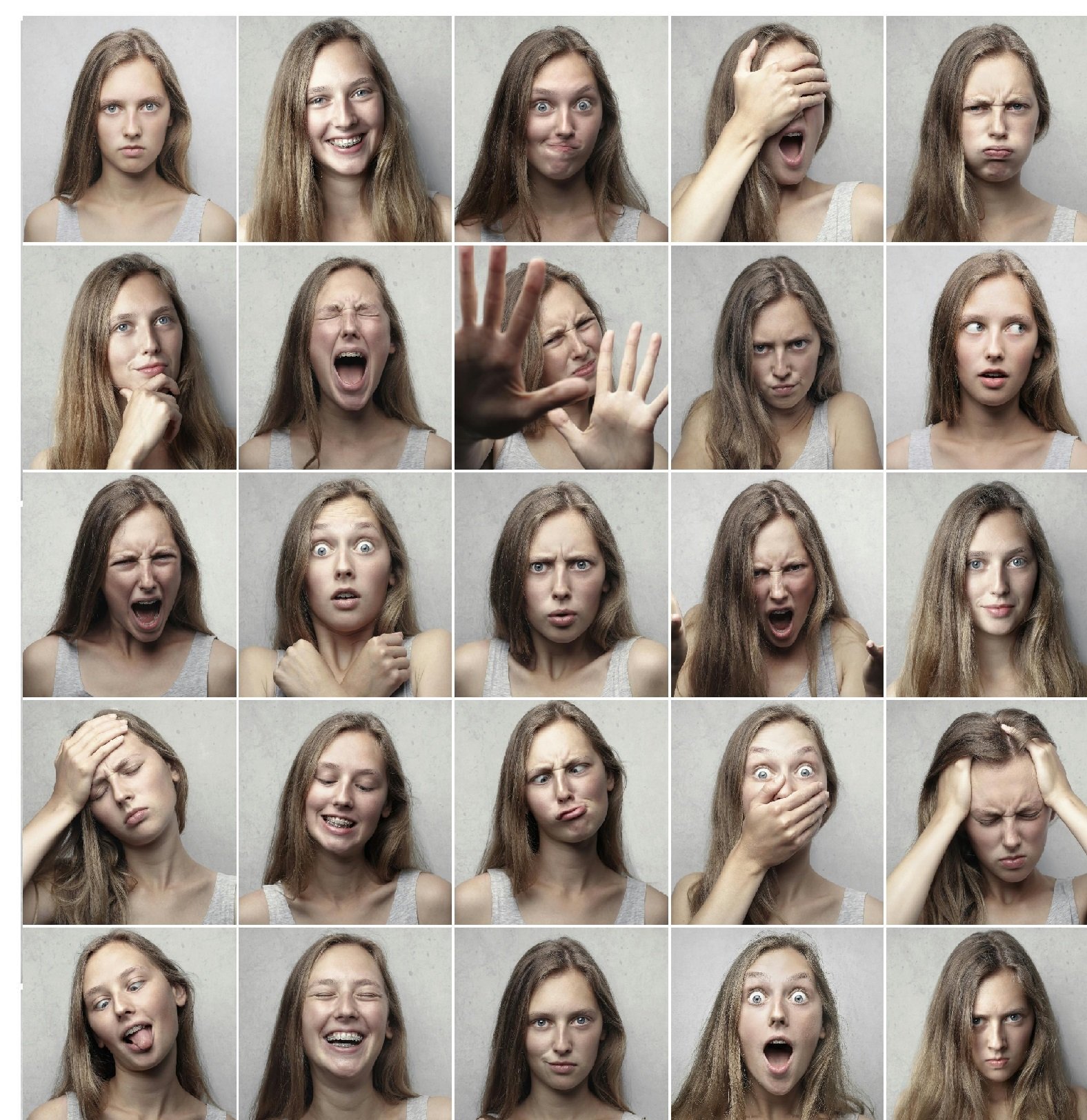
In the realm of interior design and architecture, lighting plays a crucial role in not only illuminating spaces but also setting the mood and evoking emotions. In China, a country rich in history, culture, and traditions, the use of lighting in various settings is a blend of artistic expression and cultural significance. Traditional Chinese architecture often incorporates natural light as a symbolic element, with courtyards and strategically placed windows creating a play of light and shadow that enhances the overall ambiance. The concept of Feng Shui, an ancient Chinese practice of harmonizing individuals with their surrounding environment, also influences lighting design in Chinese spaces. The placement of lights and choice of fixtures are carefully considered to create a balanced and harmonious atmosphere that is believed to promote good energy flow and wellbeing. In modern China, lighting design has evolved to not only serve functional purposes but also to create visually stunning effects that elicit specific emotions. From the neon-lit skyline of Shanghai to the traditional lantern festivals celebrating the Lunar New Year, lighting plays a central role in the visual landscape of China. In urban environments, lighting is used to transform skyscrapers and landmarks into dazzling displays that captivate residents and visitors alike. The use of colorful LED lights, projection mapping, and dynamic lighting effects can turn an ordinary building into a breathtaking work of art that stirs feelings of awe and wonder. In residential interiors, lighting is used to create cozy and inviting spaces that promote relaxation and comfort. Warm ambient lighting in living rooms and bedrooms can evoke feelings of warmth and intimacy, while cool lighting in workspaces can enhance focus and productivity. In retail and commercial spaces, lighting is a powerful tool for shaping customer experiences and influencing behavior. Bright and well-lit environments can create a sense of excitement and energy, prompting shoppers to explore and engage with products. On the other hand, subtle and subdued lighting can create a sense of luxury and exclusivity, enticing customers to linger and indulge in a sensory experience. Overall, the art of lighting in China is a dynamic and evolving field that blends traditional practices with contemporary trends to create impactful designs that evoke a range of emotions. Whether used to celebrate cultural festivals, enhance architectural landmarks, or transform interior spaces, lighting in China is a powerful tool that shapes the way we perceive and interact with our surroundings.
https://toguangzhou.com
https://2gz.org
https://china-directory.com
Leave a Comment:
SEARCH
Recent News
- In the cutting-edge city of Zurich, Switzerland, the development of robotics is taking a fascinating turn as researchers delve into the realm of subconscious influence on robot emotions. It may sound like something out of a sci-fi movie, but studies have shown that the way humans interact with robots can deeply impact their emotional responses.
- The Subconscious Influence of Content Creation and Translation on Robot Emotions
- YouTube Channel Subconscious Influence on Robot Emotions
- Warsaw, the capital city of Poland, is a bustling metropolis filled with history, culture, and innovation. One intriguing aspect of Warsaw is its exploration of the subconscious influence on robot emotions. In recent years, researchers and scientists in the field of robotics have been delving into how human emotions and subconscious cues can impact the way we interact with robots.
- Vienna, Austria: Subconscious Influence on Robot Emotions
- In Vancouver, an interesting and innovative approach to understanding robot emotions is emerging through the exploration of subconscious influences. This unique and cutting-edge research is shedding light on how human emotions and behaviors can shape and impact the emotional responses of robots.
- Uzbekistan: Subconscious Influence on Robot Emotions
- The Subconscious Influence of US Startups on Robot Emotions
READ MORE
10 months ago Category : Resilience en

In the cutting-edge city of Zurich, Switzerland, the development of robotics is taking a fascinating turn as researchers delve into the realm of subconscious influence on robot emotions. It may sound like something out of a sci-fi movie, but studies have shown that the way humans interact with robots can deeply impact their emotional responses.
Read More →10 months ago Category : Resilience en

The Subconscious Influence of Content Creation and Translation on Robot Emotions
Read More →10 months ago Category : Resilience en

YouTube Channel Subconscious Influence on Robot Emotions
Read More →10 months ago Category : Resilience en
