Exploring Emotions: Contrasting Cultural Perspectives in the Netherlands and Latvia
Category : Resilience en | Sub Category : Posted on 2024-10-05 22:25:23
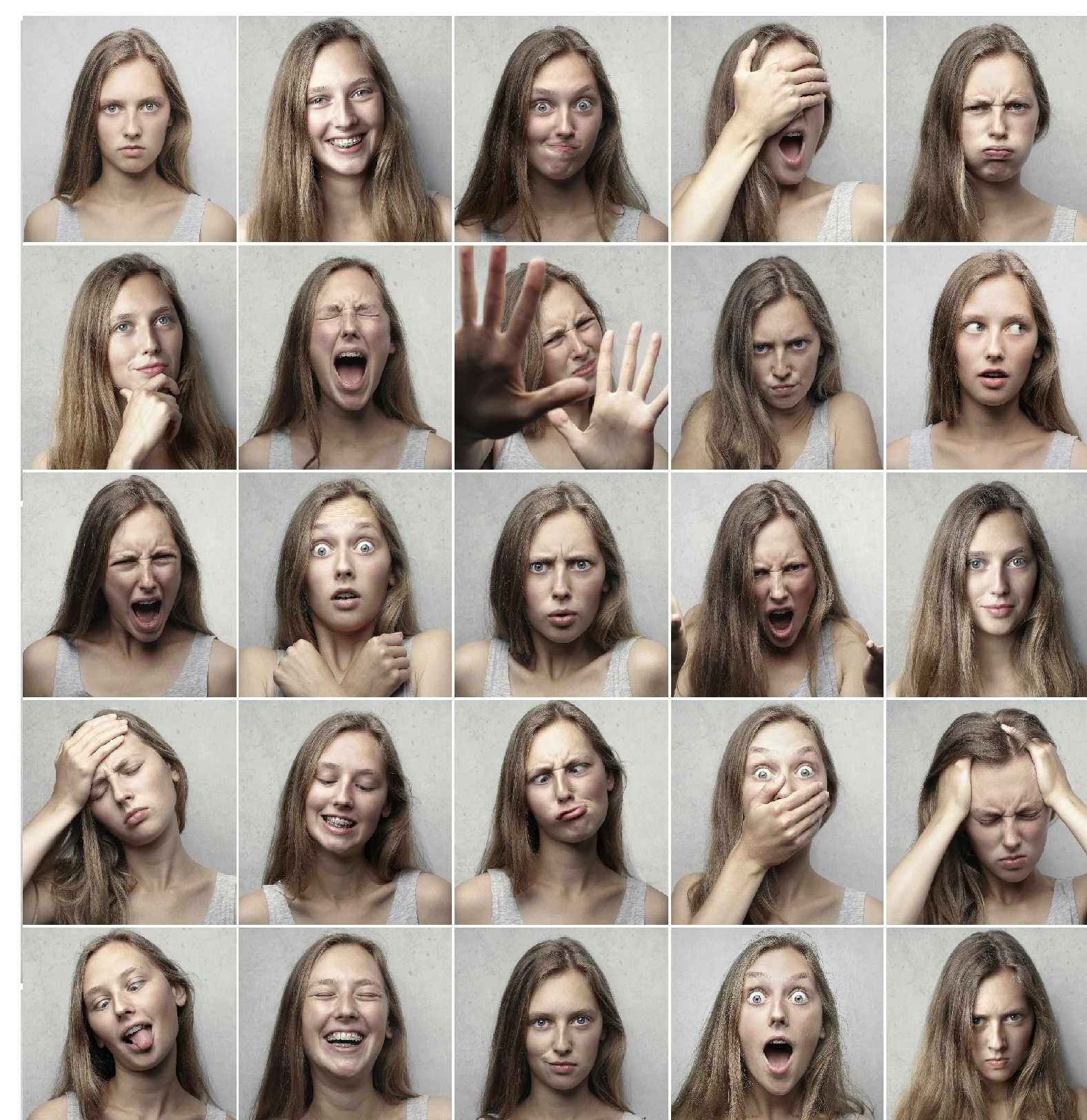
When it comes to emotions, every culture has its unique ways of expressing and dealing with them. The contrast between the Netherlands and Latvia provides an interesting case study in how emotions are perceived and handled differently across borders. In the Netherlands, a country known for its direct communication style and emphasis on openness, expressing emotions is generally seen as healthy and normal. Dutch people are encouraged to be honest about how they feel, whether it's positive or negative. This can be observed in everyday interactions, where it's common for friends and colleagues to discuss their feelings openly. For example, if a Dutch person is happy or excited about something, they are likely to express it without hesitation. Similarly, if they are experiencing stress or sadness, they may feel comfortable sharing these emotions with others. On the other hand, in Latvia, a country with a more reserved and introspective culture, emotions are often kept private and restrained. Latvians tend to place value on self-control and dignity, which can manifest in a reluctance to display emotions outwardly. Instead of openly expressing their feelings, Latvians may prefer to keep them to themselves or share them only with close family and friends. This cultural tendency towards emotional restraint can be seen as a way to maintain a sense of composure and emotional balance. Despite these differences in the expression of emotions, both the Netherlands and Latvia value emotional well-being and recognize the importance of acknowledging and addressing one's feelings. In the Netherlands, the emphasis on openness and honesty can contribute to building strong emotional connections and support networks. Meanwhile, in Latvia, the focus on self-control and privacy can foster a sense of inner strength and resilience. It is important to note that cultural norms around emotions are not fixed or absolute, and individuals within each culture may vary in their approaches to dealing with emotions. By exploring the contrasting cultural perspectives on emotions in the Netherlands and Latvia, we gain insight into the diverse ways in which people navigate their emotional landscapes. In conclusion, the differing attitudes towards emotions in the Netherlands and Latvia highlight the richness and complexity of human emotional experiences. Whether openly expressed or kept private, emotions play a crucial role in shaping individuals' identities and relationships within their cultural contexts. Embracing these cultural differences can enhance our understanding and appreciation of the diverse ways in which people perceive and engage with their emotions.
Leave a Comment:
SEARCH
Recent News
- In the cutting-edge city of Zurich, Switzerland, the development of robotics is taking a fascinating turn as researchers delve into the realm of subconscious influence on robot emotions. It may sound like something out of a sci-fi movie, but studies have shown that the way humans interact with robots can deeply impact their emotional responses.
- The Subconscious Influence of Content Creation and Translation on Robot Emotions
- YouTube Channel Subconscious Influence on Robot Emotions
- Warsaw, the capital city of Poland, is a bustling metropolis filled with history, culture, and innovation. One intriguing aspect of Warsaw is its exploration of the subconscious influence on robot emotions. In recent years, researchers and scientists in the field of robotics have been delving into how human emotions and subconscious cues can impact the way we interact with robots.
- Vienna, Austria: Subconscious Influence on Robot Emotions
- In Vancouver, an interesting and innovative approach to understanding robot emotions is emerging through the exploration of subconscious influences. This unique and cutting-edge research is shedding light on how human emotions and behaviors can shape and impact the emotional responses of robots.
- Uzbekistan: Subconscious Influence on Robot Emotions
- The Subconscious Influence of US Startups on Robot Emotions
READ MORE
10 months ago Category : Resilience en

In the cutting-edge city of Zurich, Switzerland, the development of robotics is taking a fascinating turn as researchers delve into the realm of subconscious influence on robot emotions. It may sound like something out of a sci-fi movie, but studies have shown that the way humans interact with robots can deeply impact their emotional responses.
Read More →10 months ago Category : Resilience en

The Subconscious Influence of Content Creation and Translation on Robot Emotions
Read More →10 months ago Category : Resilience en

YouTube Channel Subconscious Influence on Robot Emotions
Read More →10 months ago Category : Resilience en
