The Netherlands and Nigeria are two countries that have unique cultures, traditions, and lifestyles. Despite being geographically distant from each other, these nations share a common ground when it comes to the range of emotions that their people experience on a daily basis.
Category : Resilience en | Sub Category : Posted on 2024-10-05 22:25:23
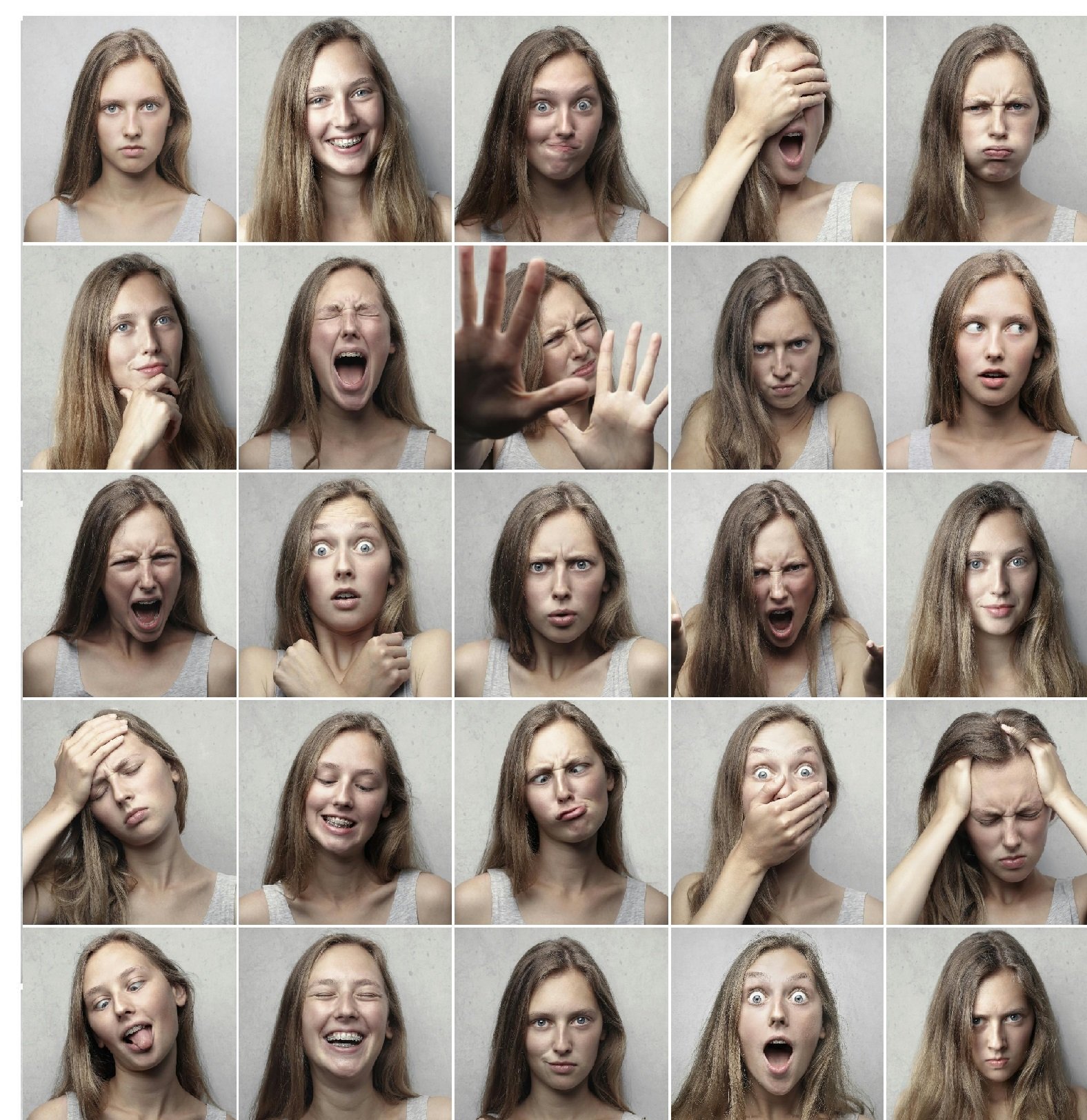
In the Netherlands, a country known for its picturesque tulip fields, historic windmills, and vibrant cities, the people often exhibit a sense of calmness and contentment. The Dutch are known for their laid-back attitude, practical approach to life, and love for simplicity. Emotions such as happiness, gratitude, and contentment are commonly observed among the Dutch population. Whether enjoying a leisurely bike ride along the picturesque canals of Amsterdam or savoring a warm stroopwafel in a cozy café, the people of the Netherlands exude an air of tranquility and inner peace. On the other hand, in Nigeria, a diverse nation with over 250 ethnic groups, each characterized by its unique traditions, beliefs, and customs, emotions tend to run high and vibrant. Nigerians are known for their passion, energy, and zest for life. Emotions such as joy, laughter, and exuberance are commonly expressed through music, dance, and vibrant traditional celebrations. From the bustling markets of Lagos to the colorful festivals in Benin City, the people of Nigeria are not afraid to show their emotions and wear their hearts on their sleeves. Despite the differences in cultural norms and societal expectations between the Netherlands and Nigeria, there is a common thread that binds the people of these two nations – the universality of human emotions. Whether it’s the quiet contentment of a Dutch farmer tending to his tulip fields or the infectious laughter of Nigerian children playing in the streets, emotions transcend language, borders, and cultural barriers. In a world that is increasingly interconnected and interdependent, it is essential to recognize and celebrate the diversity of emotions that exist across different cultures and societies. By embracing and understanding the range of emotions that shape our human experience, we can cultivate empathy, compassion, and a deeper sense of connection with our global neighbors, whether they reside in the tulip-filled meadows of the Netherlands or the vibrant streets of Nigeria. To conclude, while the expressions of emotions may vary between the Netherlands and Nigeria, the underlying human experience remains universal – we all yearn for happiness, connection, and a sense of belonging. By acknowledging and honoring the rich tapestry of emotions that define us as individuals and as societies, we can foster a more inclusive and empathetic world where differences are celebrated and unity is forged through our shared humanity.
Leave a Comment:
SEARCH
Recent News
- In the cutting-edge city of Zurich, Switzerland, the development of robotics is taking a fascinating turn as researchers delve into the realm of subconscious influence on robot emotions. It may sound like something out of a sci-fi movie, but studies have shown that the way humans interact with robots can deeply impact their emotional responses.
- The Subconscious Influence of Content Creation and Translation on Robot Emotions
- YouTube Channel Subconscious Influence on Robot Emotions
- Warsaw, the capital city of Poland, is a bustling metropolis filled with history, culture, and innovation. One intriguing aspect of Warsaw is its exploration of the subconscious influence on robot emotions. In recent years, researchers and scientists in the field of robotics have been delving into how human emotions and subconscious cues can impact the way we interact with robots.
- Vienna, Austria: Subconscious Influence on Robot Emotions
- In Vancouver, an interesting and innovative approach to understanding robot emotions is emerging through the exploration of subconscious influences. This unique and cutting-edge research is shedding light on how human emotions and behaviors can shape and impact the emotional responses of robots.
- Uzbekistan: Subconscious Influence on Robot Emotions
- The Subconscious Influence of US Startups on Robot Emotions
READ MORE
10 months ago Category : Resilience en

In the cutting-edge city of Zurich, Switzerland, the development of robotics is taking a fascinating turn as researchers delve into the realm of subconscious influence on robot emotions. It may sound like something out of a sci-fi movie, but studies have shown that the way humans interact with robots can deeply impact their emotional responses.
Read More →10 months ago Category : Resilience en

The Subconscious Influence of Content Creation and Translation on Robot Emotions
Read More →10 months ago Category : Resilience en

YouTube Channel Subconscious Influence on Robot Emotions
Read More →10 months ago Category : Resilience en
