Exploring Emotions: Contrasting Experiences in New Zealand and Brussels, Belgium
Category : Resilience en | Sub Category : Posted on 2024-10-05 22:25:23
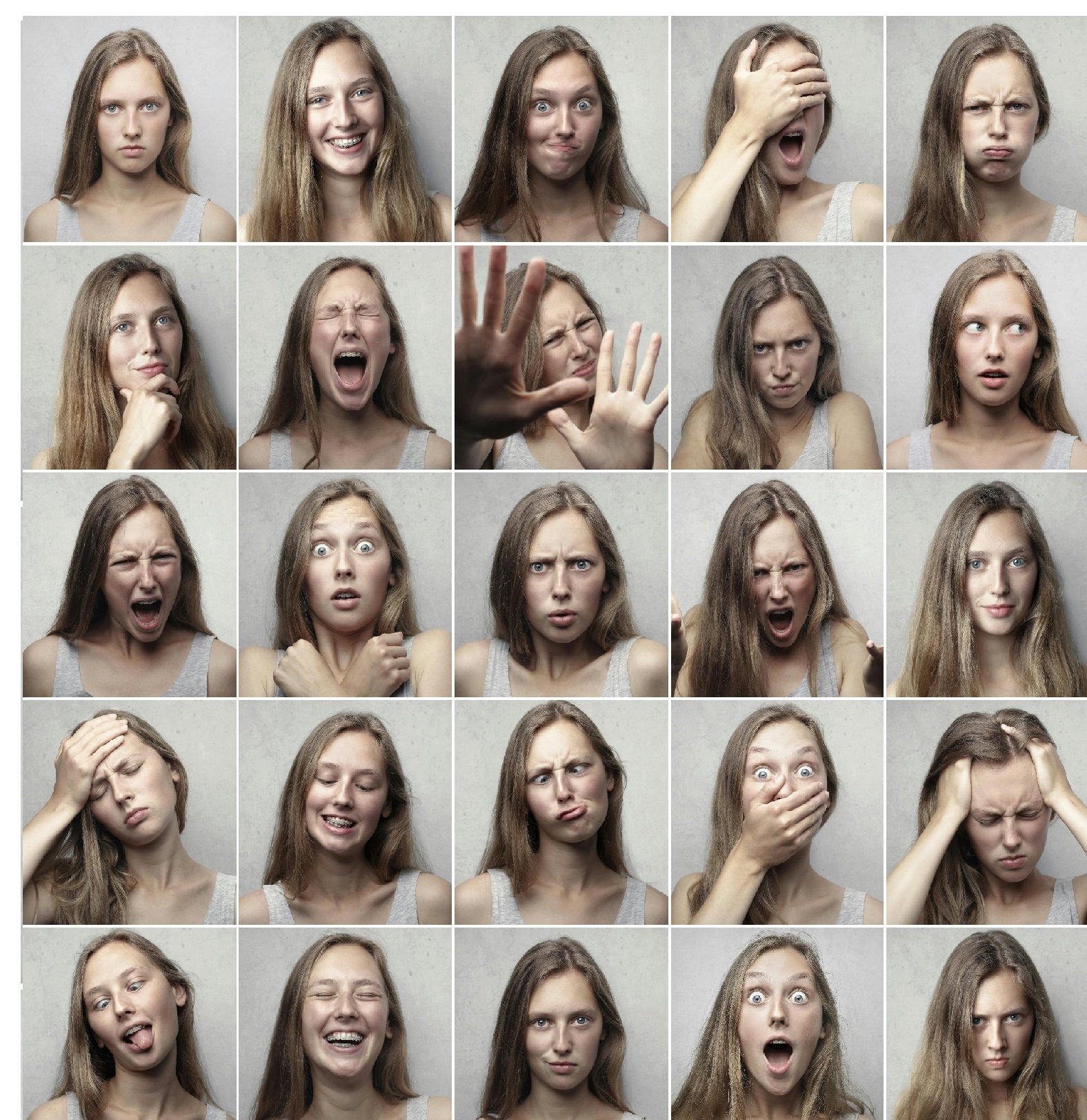
Emotions are a universal aspect of human life, yet the way we experience and express them can vary greatly depending on our cultural and geographic context. In this blog post, we will delve into the contrasting emotional landscapes of two distinct regions: New Zealand and Brussels, Belgium. New Zealand is renowned for its breathtaking natural beauty, from majestic mountains to pristine beaches. The country's landscape often evokes a sense of awe and wonder, leading to feelings of calmness, contentment, and inspiration among both locals and visitors. The laid-back lifestyle and friendly attitudes of Kiwis also contribute to a prevailing sense of warmth and hospitality in New Zealand. Emotions in New Zealand are further influenced by the Maori culture, which places a strong emphasis on connectedness to the land and community. This connection to nature and heritage can evoke deep feelings of belonging and pride among New Zealanders, fostering a sense of identity and rootedness that is unique to the country. On the other hand, Brussels, the capital city of Belgium and the de facto capital of the European Union, presents a stark contrast in terms of emotions. The bustling metropolis is a melting pot of cultures, languages, and ideologies, creating a dynamic and cosmopolitan atmosphere that can be both exhilarating and overwhelming. In Brussels, one may experience a wide range of emotions, from excitement and curiosity as they explore the city's historic landmarks and vibrant neighborhoods, to frustration and confusion due to the complexities of navigating its diverse social and political landscape. The city's rich history and multicultural nature also give rise to feelings of pride and solidarity among its residents, who take pride in their heritage and commitment to European unity. Despite their differences, both New Zealand and Brussels offer unique emotional experiences that reflect the values, traditions, and environments of their respective regions. Whether it's the serenity of New Zealand's natural wonders or the dynamism of Brussels' urban culture, each place has its own distinctive emotional footprint that leaves a lasting impression on those who visit or call it home. In conclusion, emotions are deeply intertwined with our surroundings and cultural context, shaping the way we perceive and interact with the world around us. By exploring the emotional landscapes of diverse regions like New Zealand and Brussels, we can gain a deeper appreciation for the complexity and richness of human experience in all its varied forms.
Leave a Comment:
SEARCH
Recent News
- In the cutting-edge city of Zurich, Switzerland, the development of robotics is taking a fascinating turn as researchers delve into the realm of subconscious influence on robot emotions. It may sound like something out of a sci-fi movie, but studies have shown that the way humans interact with robots can deeply impact their emotional responses.
- The Subconscious Influence of Content Creation and Translation on Robot Emotions
- YouTube Channel Subconscious Influence on Robot Emotions
- Warsaw, the capital city of Poland, is a bustling metropolis filled with history, culture, and innovation. One intriguing aspect of Warsaw is its exploration of the subconscious influence on robot emotions. In recent years, researchers and scientists in the field of robotics have been delving into how human emotions and subconscious cues can impact the way we interact with robots.
- Vienna, Austria: Subconscious Influence on Robot Emotions
- In Vancouver, an interesting and innovative approach to understanding robot emotions is emerging through the exploration of subconscious influences. This unique and cutting-edge research is shedding light on how human emotions and behaviors can shape and impact the emotional responses of robots.
- Uzbekistan: Subconscious Influence on Robot Emotions
- The Subconscious Influence of US Startups on Robot Emotions
READ MORE
10 months ago Category : Resilience en

In the cutting-edge city of Zurich, Switzerland, the development of robotics is taking a fascinating turn as researchers delve into the realm of subconscious influence on robot emotions. It may sound like something out of a sci-fi movie, but studies have shown that the way humans interact with robots can deeply impact their emotional responses.
Read More →10 months ago Category : Resilience en

The Subconscious Influence of Content Creation and Translation on Robot Emotions
Read More →10 months ago Category : Resilience en

YouTube Channel Subconscious Influence on Robot Emotions
Read More →10 months ago Category : Resilience en
