Unraveling New Zealand's Conflicts in History: Exploring the Range of Emotions
Category : Resilience en | Sub Category : Posted on 2024-10-05 22:25:23
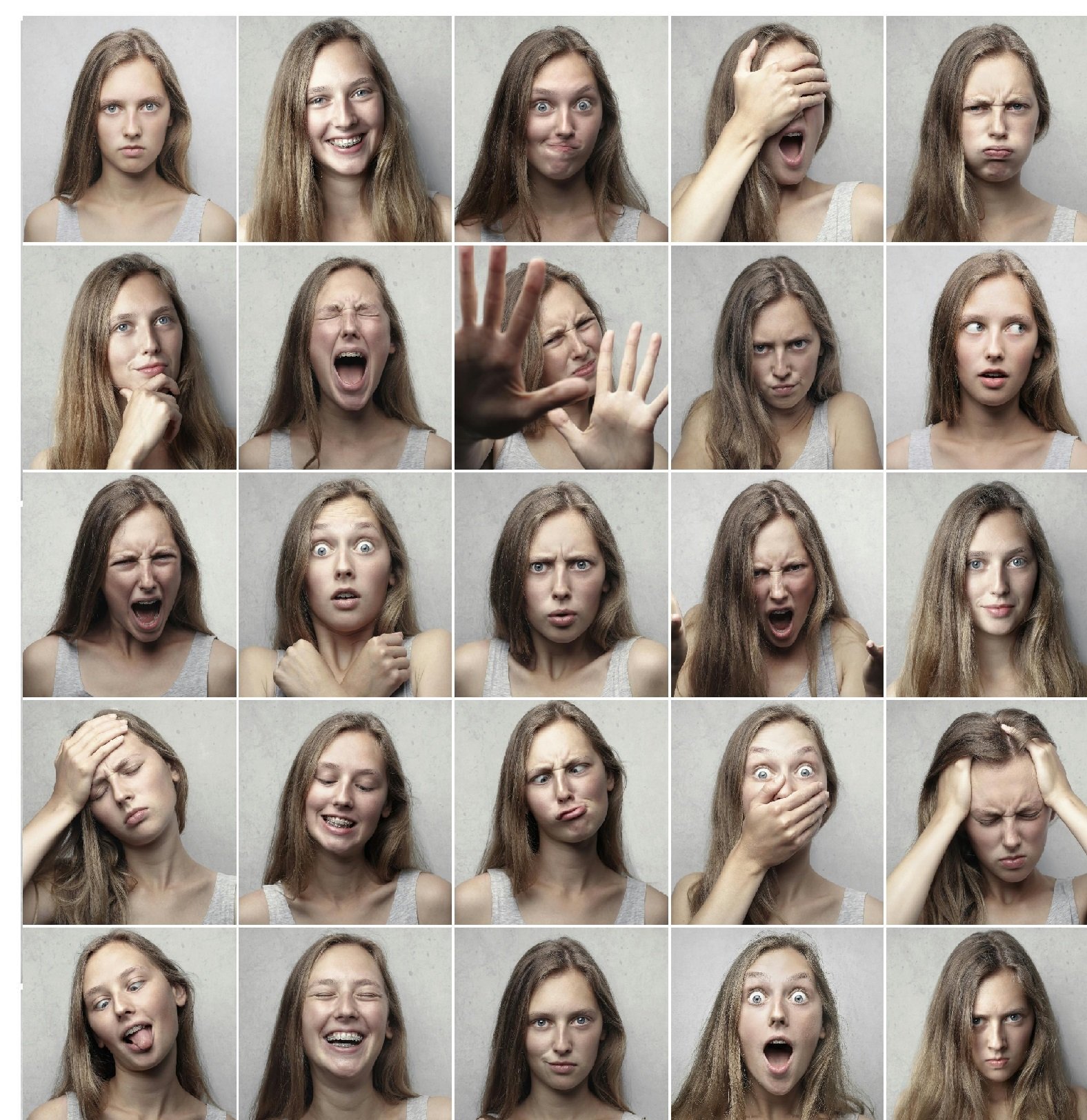
New Zealand, known for its breathtaking landscapes and rich Maori culture, has a history filled with conflicts that have shaped the nation into what it is today. These conflicts have evoked a wide range of emotions among its people, from anger and resentment to empathy and reconciliation. Let's delve into some of the key historical conflicts in New Zealand and explore the emotions associated with them. 1. The New Zealand Wars: One of the most significant conflicts in New Zealand's history, the New Zealand Wars were a series of armed conflicts between Maori tribes and the British colonial forces in the mid-19th century. These wars resulted in significant loss of life and land for the Maori people, leading to deep-seated feelings of anger, betrayal, and injustice among many Maori communities. The scars of this conflict still linger today, impacting relationships between Maori and non-Maori populations. 2. Land Confiscations and Dispossession: Throughout the 19th and early 20th centuries, the New Zealand government confiscated vast tracts of Maori land, often through dubious means. This systematic dispossession of land caused profound grief, loss, and resentment among the Maori people, who saw their ancestral territories taken away from them. The emotional trauma of land confiscations continues to be felt by Maori communities, fueling ongoing efforts to seek justice and land restitution. 3. The Dawn Raids: In the 1970s, New Zealand experienced a dark period known as the Dawn Raids, where Pacific Island communities were targeted by immigration officials in a crackdown on overstayers. This traumatic episode left many Pacific Islanders feeling scared, isolated, and dehumanized, as families were torn apart and individuals faced deportation. The emotional scars of the Dawn Raids linger on in these communities, serving as a reminder of the systemic racism and discrimination they faced. 4. Treaty of Waitangi: Signed in 1840 between the British Crown and Maori chiefs, the Treaty of Waitangi is considered New Zealand's founding document. However, interpretations and implementations of the treaty have been a source of ongoing conflict and emotional turmoil. For many Maori, the treaty represents promises broken, rights denied, and ongoing struggles for recognition and justice. Non-Maori New Zealanders also grapple with feelings of guilt, ignorance, and a desire for reconciliation in relation to the treaty. In conclusion, the conflicts in New Zealand's history have evoked a complex tapestry of emotions among its diverse communities. From anger and resentment to empathy and reconciliation, these emotions continue to shape the collective memory and identity of the nation. By acknowledging and engaging with these emotions, New Zealand can move towards healing, understanding, and building a more inclusive and just society for all its people.
Leave a Comment:
SEARCH
Recent News
- In the cutting-edge city of Zurich, Switzerland, the development of robotics is taking a fascinating turn as researchers delve into the realm of subconscious influence on robot emotions. It may sound like something out of a sci-fi movie, but studies have shown that the way humans interact with robots can deeply impact their emotional responses.
- The Subconscious Influence of Content Creation and Translation on Robot Emotions
- YouTube Channel Subconscious Influence on Robot Emotions
- Warsaw, the capital city of Poland, is a bustling metropolis filled with history, culture, and innovation. One intriguing aspect of Warsaw is its exploration of the subconscious influence on robot emotions. In recent years, researchers and scientists in the field of robotics have been delving into how human emotions and subconscious cues can impact the way we interact with robots.
- Vienna, Austria: Subconscious Influence on Robot Emotions
- In Vancouver, an interesting and innovative approach to understanding robot emotions is emerging through the exploration of subconscious influences. This unique and cutting-edge research is shedding light on how human emotions and behaviors can shape and impact the emotional responses of robots.
- Uzbekistan: Subconscious Influence on Robot Emotions
- The Subconscious Influence of US Startups on Robot Emotions
READ MORE
10 months ago Category : Resilience en

In the cutting-edge city of Zurich, Switzerland, the development of robotics is taking a fascinating turn as researchers delve into the realm of subconscious influence on robot emotions. It may sound like something out of a sci-fi movie, but studies have shown that the way humans interact with robots can deeply impact their emotional responses.
Read More →10 months ago Category : Resilience en

The Subconscious Influence of Content Creation and Translation on Robot Emotions
Read More →10 months ago Category : Resilience en

YouTube Channel Subconscious Influence on Robot Emotions
Read More →10 months ago Category : Resilience en
