Exploring Emotions: A Comparison of New Zealand and Latvia
Category : Resilience en | Sub Category : Posted on 2024-10-05 22:25:23
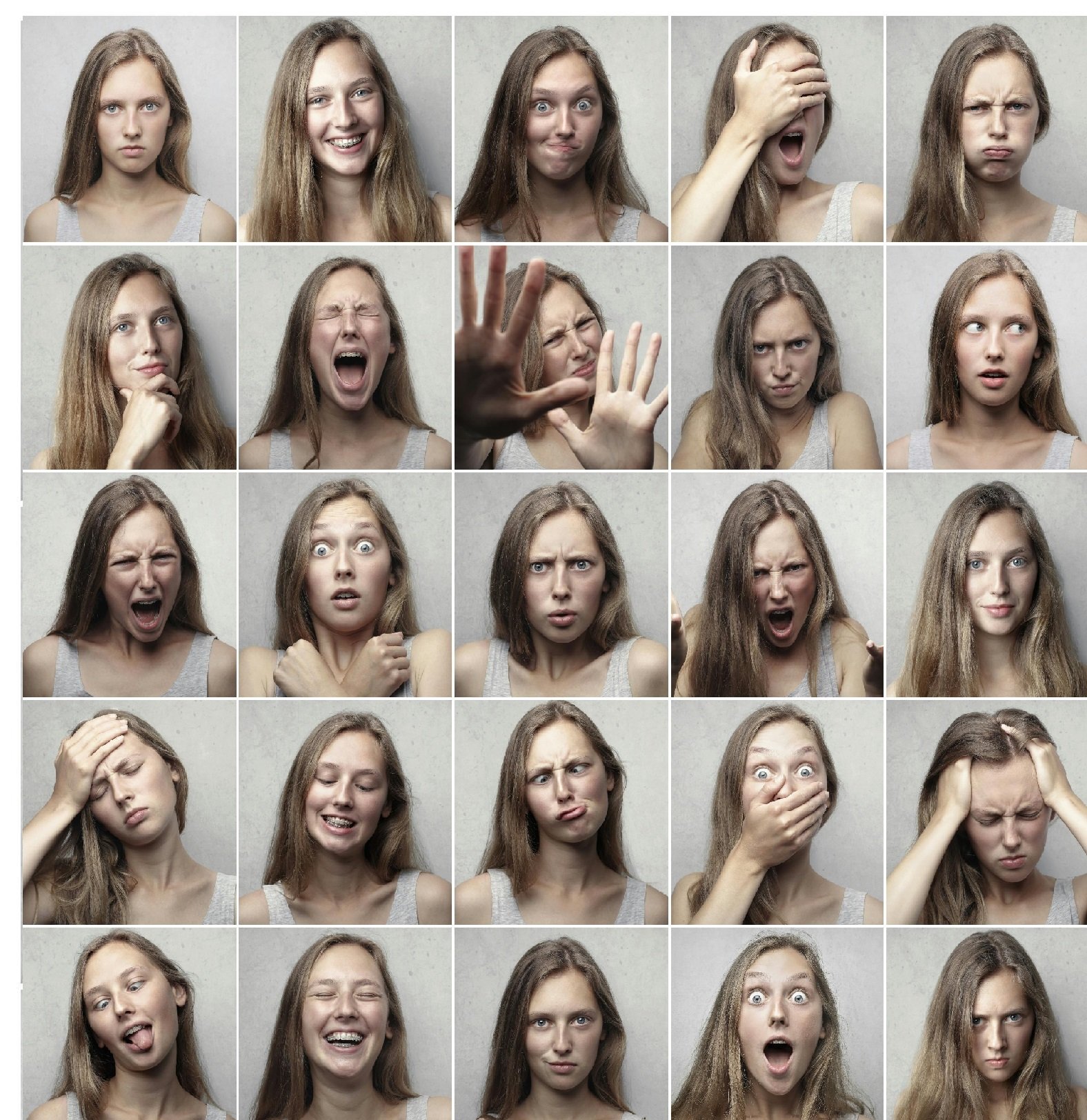
When it comes to the experience of emotions, culture plays a significant role in shaping how individuals express and perceive them. In this blog post, we will delve into the unique cultural contexts of New Zealand and Latvia and explore how emotions are understood and experienced in these two diverse countries. In New Zealand, a country known for its stunning natural beauty and laid-back lifestyle, emotions are often expressed openly and directly. Kiwis, as New Zealanders are affectionately known, tend to value honesty and authenticity in their interactions with others. This cultural norm is reflected in the way emotions are expressed, with people feeling comfortable sharing their feelings and vulnerabilities with friends and family. In contrast, Latvia, a small Baltic country with a rich cultural heritage, has a more reserved approach to emotions. Latvians are known for their stoicism and tendency to keep their emotions private. In Latvian culture, there is a greater emphasis on self-control and maintaining composure, even in challenging situations. Emotions are often expressed subtly through body language, tone of voice, and non-verbal cues. Despite these differences in emotional expression, both New Zealand and Latvia share a common emphasis on the importance of social connections and relationships in influencing emotions. In New Zealand, the concept of "whanau" or extended family is central to Maori culture, emphasizing the strong bonds of kinship and support among family members. In Latvia, traditional values of community and collective responsibility shape how people relate to one another and navigate social interactions. Additionally, both countries experience a range of emotions that reflect the complexities of human experience. From joy and celebration during cultural festivals and local gatherings to moments of reflection and solitude in nature, emotions serve as a powerful lens through which individuals connect with their surroundings and make sense of the world around them. In conclusion, the exploration of emotions in New Zealand and Latvia highlights the diverse ways in which cultural norms shape how individuals experience and express their feelings. While New Zealanders may embrace openness and authenticity in their emotional interactions, Latvians value restraint and subtlety in communicating their innermost thoughts and feelings. By understanding and appreciating these cultural nuances, we can gain a deeper insight into the rich tapestry of human emotions that unite us across borders and continents.
Leave a Comment:
SEARCH
Recent News
- In the cutting-edge city of Zurich, Switzerland, the development of robotics is taking a fascinating turn as researchers delve into the realm of subconscious influence on robot emotions. It may sound like something out of a sci-fi movie, but studies have shown that the way humans interact with robots can deeply impact their emotional responses.
- The Subconscious Influence of Content Creation and Translation on Robot Emotions
- YouTube Channel Subconscious Influence on Robot Emotions
- Warsaw, the capital city of Poland, is a bustling metropolis filled with history, culture, and innovation. One intriguing aspect of Warsaw is its exploration of the subconscious influence on robot emotions. In recent years, researchers and scientists in the field of robotics have been delving into how human emotions and subconscious cues can impact the way we interact with robots.
- Vienna, Austria: Subconscious Influence on Robot Emotions
- In Vancouver, an interesting and innovative approach to understanding robot emotions is emerging through the exploration of subconscious influences. This unique and cutting-edge research is shedding light on how human emotions and behaviors can shape and impact the emotional responses of robots.
- Uzbekistan: Subconscious Influence on Robot Emotions
- The Subconscious Influence of US Startups on Robot Emotions
READ MORE
10 months ago Category : Resilience en

In the cutting-edge city of Zurich, Switzerland, the development of robotics is taking a fascinating turn as researchers delve into the realm of subconscious influence on robot emotions. It may sound like something out of a sci-fi movie, but studies have shown that the way humans interact with robots can deeply impact their emotional responses.
Read More →10 months ago Category : Resilience en

The Subconscious Influence of Content Creation and Translation on Robot Emotions
Read More →10 months ago Category : Resilience en

YouTube Channel Subconscious Influence on Robot Emotions
Read More →10 months ago Category : Resilience en
