Understanding the Impact of Nutrition Law and Regulations on Our Emotional Well-Being
Category : Resilience en | Sub Category : Posted on 2024-10-05 22:25:23
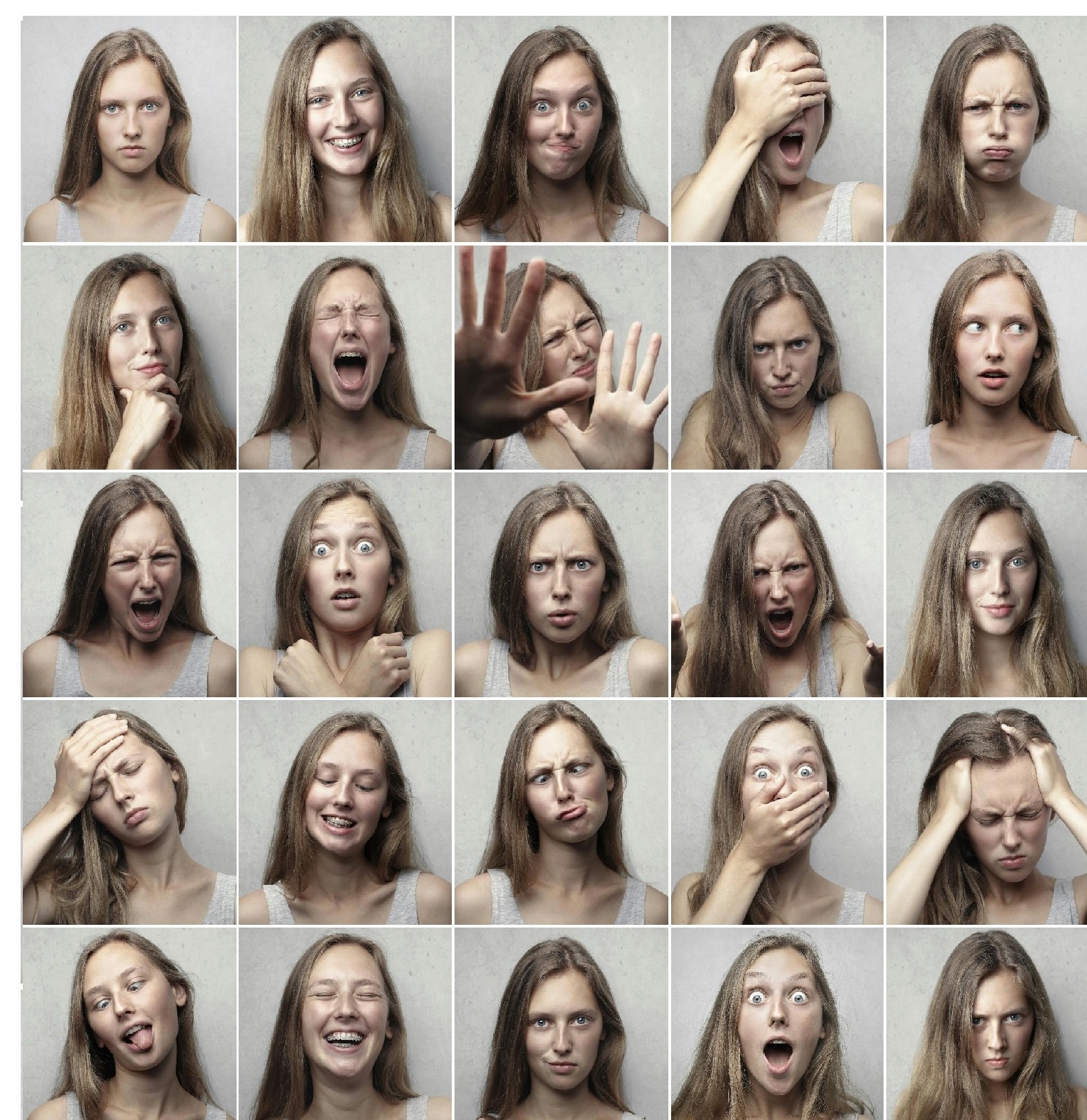
When it comes to Nutrition, we often focus on how what we eat affects our physical health. However, it's important to recognize that nutrition also plays a significant role in our emotional well-being. In recent years, there has been growing interest in how nutrition laws and regulations can influence our emotions and mental health. Nutrition laws and regulations are put in place to ensure that the food we consume is safe, healthy, and properly labeled. These laws govern aspects such as food safety standards, labeling requirements, and ingredient restrictions. By setting these guidelines, policymakers aim to protect public health and promote good nutrition practices. So, how do nutrition laws and regulations impact our emotions? One way is by regulating the presence of certain ingredients in our food. For example, trans fats have been linked to an increased risk of heart disease and other health issues. By banning or restricting the use of trans fats in food products, regulations not only protect our physical health but also potentially reduce the risk of mood disturbances and emotional imbalances associated with poor heart health. In addition, nutrition laws and regulations often aim to improve transparency in food labeling. Clear and accurate labeling can help consumers make informed choices about their food intake, which can lead to better overall health and well-being. When we know exactly what is in our food and how it may impact our bodies, we are more likely to feel in control of our health and experience fewer emotions of anxiety or guilt related to our diet. Another way nutrition laws and regulations can influence our emotions is by promoting access to healthy and nutritious foods. Policies that support the availability of fresh produce, whole grains, and lean proteins can make it easier for individuals to make health-conscious choices. Eating a balanced diet rich in nutrients can have a positive impact on our mood and emotional state, as certain vitamins and minerals play a role in the production of neurotransmitters that regulate our emotions. Furthermore, nutrition laws and regulations can also address issues such as food insecurity and food deserts, which can have a significant impact on mental health. By implementing policies that ensure all communities have access to affordable, nutritious food options, we can help reduce stress and anxiety related to food scarcity. In conclusion, nutrition laws and regulations have a profound effect on our emotional well-being by shaping the food options available to us, promoting transparency in labeling, and supporting access to healthy foods. By prioritizing policies that prioritize nutrition and mental health, we can create a society where individuals are empowered to make choices that support both their physical and emotional well-being.
https://vollmacht.org
Leave a Comment:
SEARCH
Recent News
- In the cutting-edge city of Zurich, Switzerland, the development of robotics is taking a fascinating turn as researchers delve into the realm of subconscious influence on robot emotions. It may sound like something out of a sci-fi movie, but studies have shown that the way humans interact with robots can deeply impact their emotional responses.
- The Subconscious Influence of Content Creation and Translation on Robot Emotions
- YouTube Channel Subconscious Influence on Robot Emotions
- Warsaw, the capital city of Poland, is a bustling metropolis filled with history, culture, and innovation. One intriguing aspect of Warsaw is its exploration of the subconscious influence on robot emotions. In recent years, researchers and scientists in the field of robotics have been delving into how human emotions and subconscious cues can impact the way we interact with robots.
- Vienna, Austria: Subconscious Influence on Robot Emotions
- In Vancouver, an interesting and innovative approach to understanding robot emotions is emerging through the exploration of subconscious influences. This unique and cutting-edge research is shedding light on how human emotions and behaviors can shape and impact the emotional responses of robots.
- Uzbekistan: Subconscious Influence on Robot Emotions
- The Subconscious Influence of US Startups on Robot Emotions
READ MORE
10 months ago Category : Resilience en

In the cutting-edge city of Zurich, Switzerland, the development of robotics is taking a fascinating turn as researchers delve into the realm of subconscious influence on robot emotions. It may sound like something out of a sci-fi movie, but studies have shown that the way humans interact with robots can deeply impact their emotional responses.
Read More →10 months ago Category : Resilience en

The Subconscious Influence of Content Creation and Translation on Robot Emotions
Read More →10 months ago Category : Resilience en

YouTube Channel Subconscious Influence on Robot Emotions
Read More →10 months ago Category : Resilience en
