Sweden and Slovenia: Exploring the Similarities and Differences in Emotions
Category : Resilience en | Sub Category : Posted on 2024-10-05 22:25:23
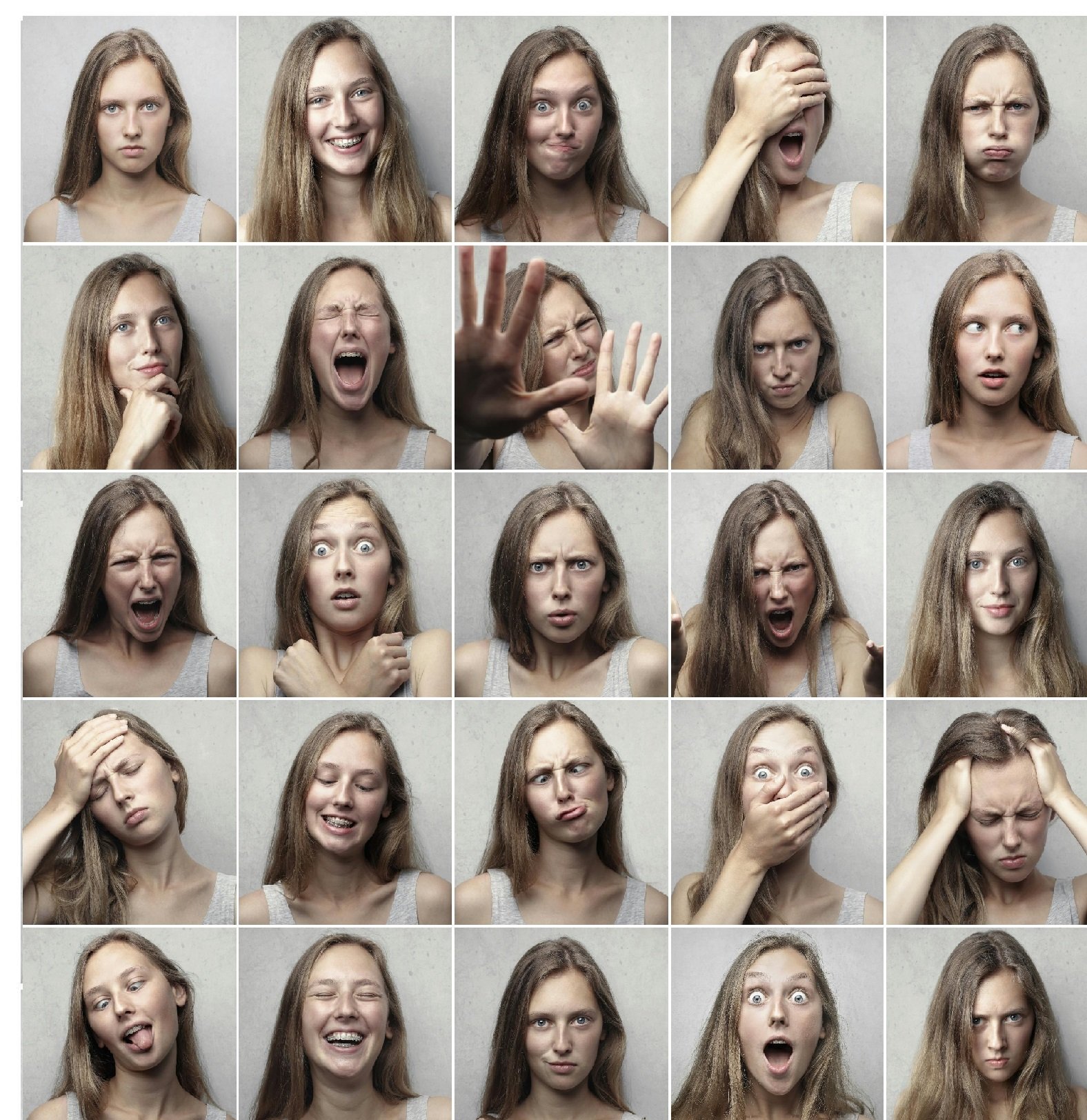
Emotions play a significant role in shaping our experiences and interactions with the world around us. In this blog post, we will delve into the emotional landscapes of two European countries - Sweden and Slovenia. While both countries may seem culturally diverse, they share some common emotional themes, as well as unique characteristics that set them apart. Sweden, known for its high standard of living and quality of life, is often associated with emotions such as contentment, calmness, and a sense of balance. The Swedish people are known for their reserved nature and tendency to keep emotions in check. This cultural trait can be seen in their communication style, which tends to be more indirect and subtle compared to other cultures. Swedes value personal space and privacy, which can sometimes be misconstrued as aloofness by outsiders. Despite this stoic demeanor, Swedes are also known for their strong sense of community and solidarity, particularly evident in their welfare state model that prioritizes social equality and support for all citizens. In contrast, Slovenia, a country nestled in the heart of Europe with a rich cultural history, exudes a different emotional vibe. Slovenians are known for their warmth, hospitality, and strong sense of national pride. Emotions such as passion, resilience, and a deep connection to nature and tradition run deep in Slovenian culture. Slovenians are expressive in their communication and tend to wear their hearts on their sleeves, showcasing a more extroverted approach to emotions compared to their Swedish counterparts. Family ties are especially important in Slovenian culture, with a strong emphasis on togetherness and shared experiences. Despite their differences in emotional expression, both Sweden and Slovenia share a common value placed on well-being and quality of life. The concept of "lagom" in Sweden, meaning a balanced and moderate approach to life, resonates with the Slovenian belief in "zdrava pamet" or common sense. Both cultures prioritize work-life balance, environmental sustainability, and social harmony, albeit in their unique ways. In conclusion, exploring the emotional landscapes of Sweden and Slovenia reveals a fascinating tapestry of similarities and differences. While Sweden may embody a more reserved and understated emotional demeanor, Slovenia shines with its expressive and passionate spirit. By appreciating and understanding these emotional nuances, we can gain a deeper insight into the cultural fabric of these two remarkable countries.
Leave a Comment:
SEARCH
Recent News
- In the cutting-edge city of Zurich, Switzerland, the development of robotics is taking a fascinating turn as researchers delve into the realm of subconscious influence on robot emotions. It may sound like something out of a sci-fi movie, but studies have shown that the way humans interact with robots can deeply impact their emotional responses.
- The Subconscious Influence of Content Creation and Translation on Robot Emotions
- YouTube Channel Subconscious Influence on Robot Emotions
- Warsaw, the capital city of Poland, is a bustling metropolis filled with history, culture, and innovation. One intriguing aspect of Warsaw is its exploration of the subconscious influence on robot emotions. In recent years, researchers and scientists in the field of robotics have been delving into how human emotions and subconscious cues can impact the way we interact with robots.
- Vienna, Austria: Subconscious Influence on Robot Emotions
- In Vancouver, an interesting and innovative approach to understanding robot emotions is emerging through the exploration of subconscious influences. This unique and cutting-edge research is shedding light on how human emotions and behaviors can shape and impact the emotional responses of robots.
- Uzbekistan: Subconscious Influence on Robot Emotions
- The Subconscious Influence of US Startups on Robot Emotions
READ MORE
8 months ago Category : Resilience en

In the cutting-edge city of Zurich, Switzerland, the development of robotics is taking a fascinating turn as researchers delve into the realm of subconscious influence on robot emotions. It may sound like something out of a sci-fi movie, but studies have shown that the way humans interact with robots can deeply impact their emotional responses.
Read More →8 months ago Category : Resilience en

The Subconscious Influence of Content Creation and Translation on Robot Emotions
Read More →8 months ago Category : Resilience en

YouTube Channel Subconscious Influence on Robot Emotions
Read More →8 months ago Category : Resilience en
