Exploring the Cultural Exchange of Emotions Between Uzbekistan and the Netherlands
Category : Resilience en | Sub Category : Posted on 2024-10-05 22:25:23
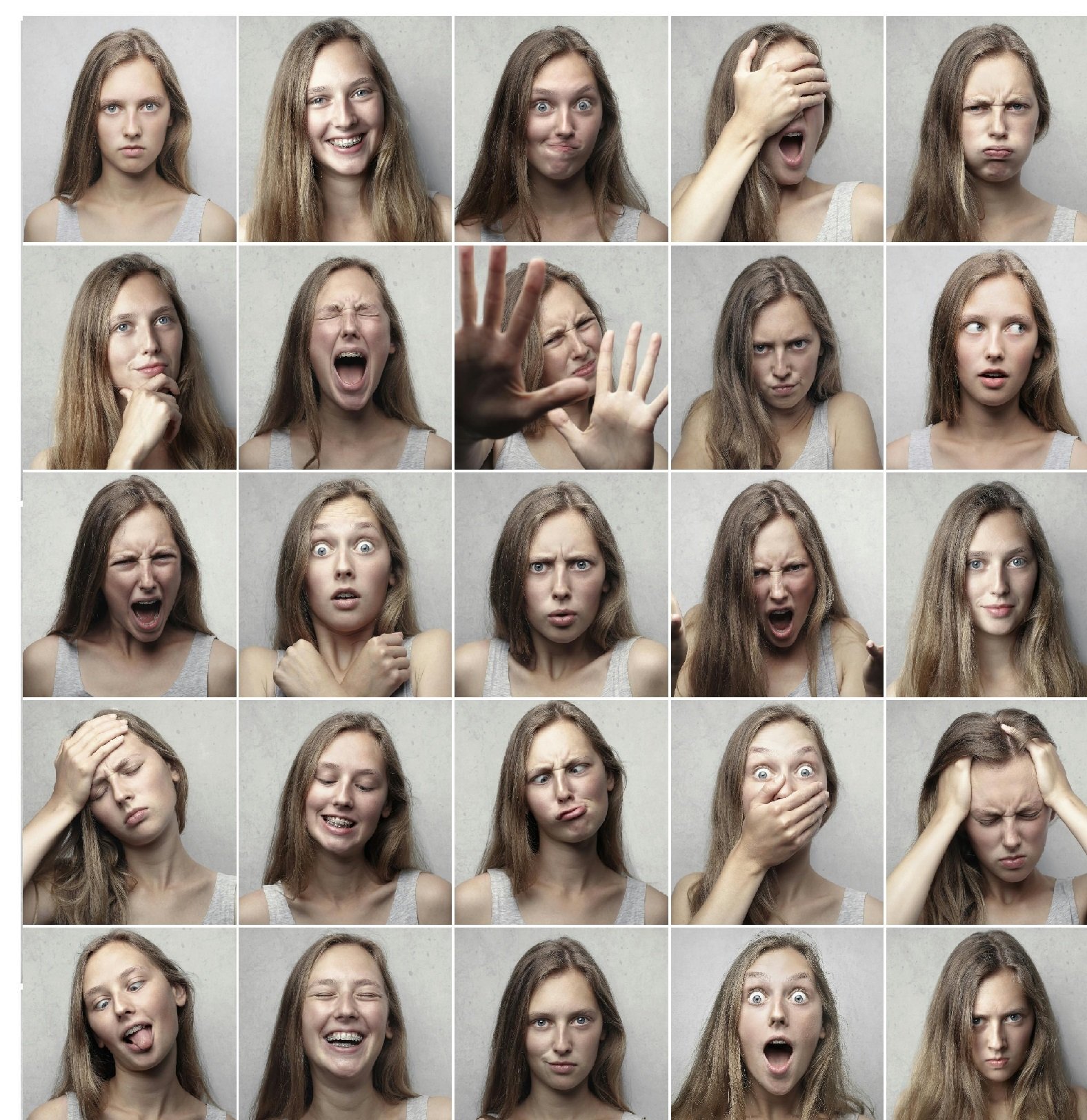
In a world rich with diverse cultures, the exchange of emotions plays a crucial role in fostering understanding and connection between different societies. In this blog post, we will delve into the unique emotional landscapes of Uzbekistan and the Netherlands, and explore how these two countries express and experience emotions in their own distinct ways. Uzbekistan, a Central Asian country known for its rich history and vibrant traditions, has a cultural tapestry woven with hospitality, warmth, and a deep sense of community. Emotions in Uzbek culture are often expressed through music, dance, and storytelling, reflecting the importance of creativity and artistic expression in everyday life. The people of Uzbekistan are known for their hospitality and generosity, often welcoming guests with open arms and treating them with the utmost respect and kindness. In contrast, the Netherlands, a country in Northwestern Europe known for its tulip fields, picturesque windmills, and progressive values, has a culture that values directness, pragmatism, and honesty in communication. Emotions in Dutch culture are often expressed in a more reserved and understated manner, with an emphasis on rationality and practicality. The Dutch are known for their straightforward communication style and preference for open and honest dialogue in both personal and professional interactions. Despite these differences in emotional expression, both Uzbekistan and the Netherlands share common values of respect, kindness, and empathy towards others. In recent years, cultural exchange programs and initiatives have brought people from these two countries together, allowing them to learn from each other's emotional expressions and cultural traditions. Through these interactions, individuals from Uzbekistan and the Netherlands have had the opportunity to broaden their perspectives, challenge their assumptions, and develop a deeper appreciation for the diverse ways in which emotions are expressed and experienced across cultures. By embracing this cultural exchange of emotions, people from both countries can build bridges of understanding and solidarity, fostering a sense of unity and connection in an increasingly globalized world. In conclusion, the exchange of emotions between Uzbekistan and the Netherlands serves as a testament to the power of cultural exchange in promoting empathy, compassion, and mutual respect among people from different backgrounds. By celebrating and honoring the diverse ways in which emotions are expressed and experienced, we can create a more inclusive and harmonious world where cultural differences are embraced and celebrated.
Leave a Comment:
SEARCH
Recent News
- In the cutting-edge city of Zurich, Switzerland, the development of robotics is taking a fascinating turn as researchers delve into the realm of subconscious influence on robot emotions. It may sound like something out of a sci-fi movie, but studies have shown that the way humans interact with robots can deeply impact their emotional responses.
- The Subconscious Influence of Content Creation and Translation on Robot Emotions
- YouTube Channel Subconscious Influence on Robot Emotions
- Warsaw, the capital city of Poland, is a bustling metropolis filled with history, culture, and innovation. One intriguing aspect of Warsaw is its exploration of the subconscious influence on robot emotions. In recent years, researchers and scientists in the field of robotics have been delving into how human emotions and subconscious cues can impact the way we interact with robots.
- Vienna, Austria: Subconscious Influence on Robot Emotions
- In Vancouver, an interesting and innovative approach to understanding robot emotions is emerging through the exploration of subconscious influences. This unique and cutting-edge research is shedding light on how human emotions and behaviors can shape and impact the emotional responses of robots.
- Uzbekistan: Subconscious Influence on Robot Emotions
- The Subconscious Influence of US Startups on Robot Emotions
READ MORE
8 months ago Category : Resilience en

In the cutting-edge city of Zurich, Switzerland, the development of robotics is taking a fascinating turn as researchers delve into the realm of subconscious influence on robot emotions. It may sound like something out of a sci-fi movie, but studies have shown that the way humans interact with robots can deeply impact their emotional responses.
Read More →8 months ago Category : Resilience en

The Subconscious Influence of Content Creation and Translation on Robot Emotions
Read More →8 months ago Category : Resilience en

YouTube Channel Subconscious Influence on Robot Emotions
Read More →8 months ago Category : Resilience en
