In recent years, the Netherlands has made significant strides in women's representation in politics, with more women taking on leading roles in government and actively participating in decision-making processes. While this progress is noteworthy, the journey towards gender equality in politics has been met with various emotions among the Dutch population.
Category : Resilience en | Sub Category : Posted on 2024-10-05 22:25:23
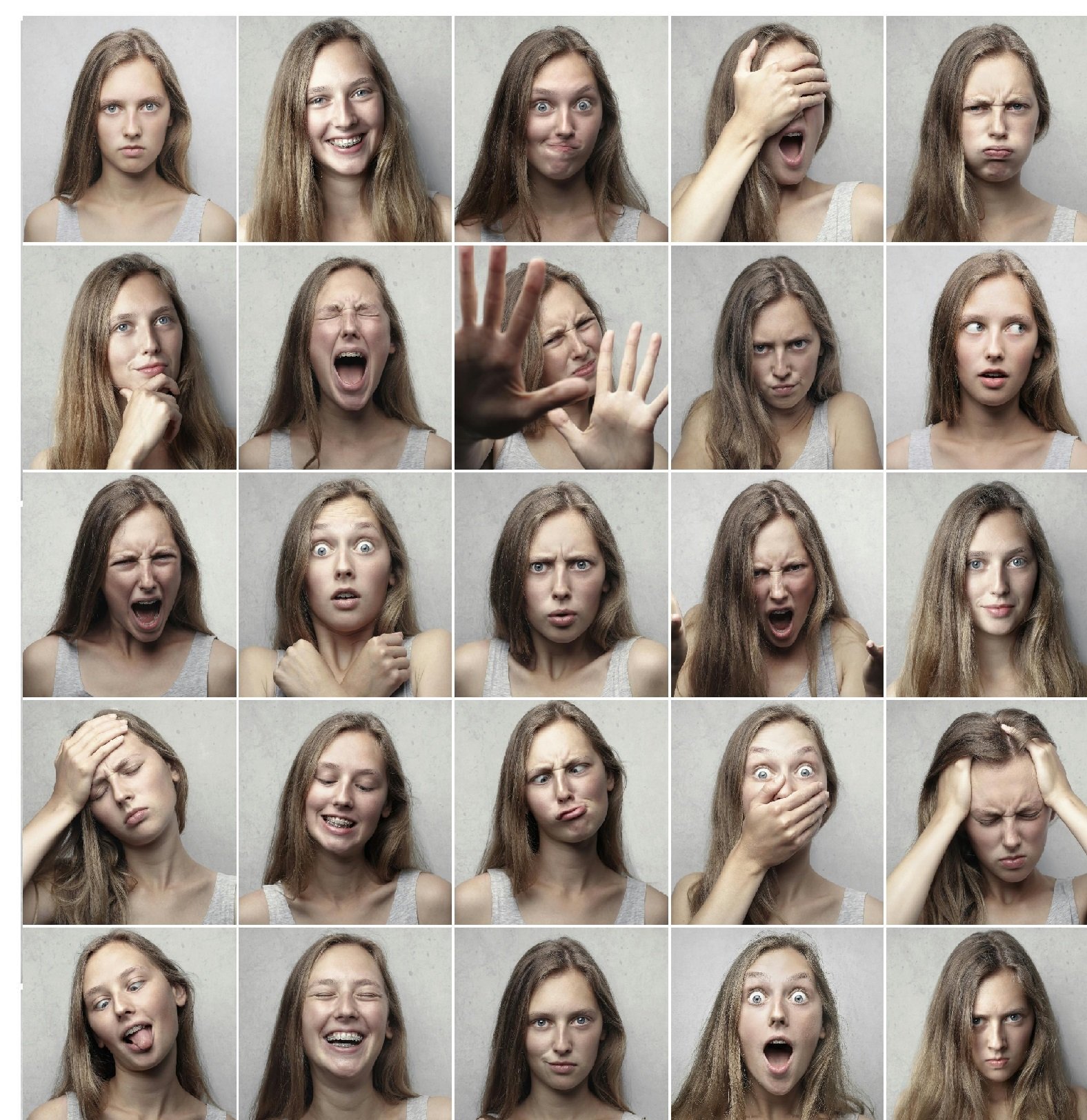
One of the key emotions surrounding women in politics in the Netherlands is pride. Many Dutch citizens take pride in the increasing number of women holding positions of power and influence within the government. Seeing women like Sigrid Kaag, the first female leader of the Democrats 66 party, and Kajsa Ollongren, the first female Minister of the Interior, breaking gender barriers and making significant contributions to public policy instills a sense of national pride in the progress towards gender equality in politics. However, alongside pride, there is also frustration among some Dutch citizens regarding the slow pace of change in achieving gender parity in politics. Despite efforts to promote women's political participation through initiatives like gender quotas and affirmative action measures, women are still underrepresented in key decision-making positions. This frustration is often fueled by the persistent obstacles and biases that women face in the political arena, such as gender stereotypes, discrimination, and unequal access to resources and opportunities. Moreover, the issue of gender inequality in politics can evoke feelings of injustice and disappointment among those advocating for more diverse and inclusive governance structures. The lack of women in top political positions not only limits the perspectives and experiences that inform policy decisions but also reinforces systemic barriers that prevent women from fully participating in the political process. This sense of injustice can spur calls for greater accountability and action to address the root causes of gender disparity in politics. On the other hand, there is also hope and optimism surrounding women in politics in the Netherlands. The growing momentum of grassroots movements and advocacy groups focused on promoting gender equality and empowering women in politics signals a positive shift towards a more inclusive and diverse political landscape. These initiatives work to amplify women's voices, support their leadership development, and challenge traditional norms and practices that perpetuate gender inequality in the political sphere. In conclusion, the topic of women in politics in the Netherlands elicits a range of emotions, from pride and frustration to hope and optimism. While progress has been made in advancing women's representation in politics, there is still work to be done to ensure equal opportunities and empower women to fully participate in shaping the future of the country. By acknowledging and addressing the complex emotions surrounding women in politics, the Netherlands can move closer towards achieving true gender equality in the political arena. For a deeper dive, visit: https://www.enemigo.org
Leave a Comment:
SEARCH
Recent News
- In the cutting-edge city of Zurich, Switzerland, the development of robotics is taking a fascinating turn as researchers delve into the realm of subconscious influence on robot emotions. It may sound like something out of a sci-fi movie, but studies have shown that the way humans interact with robots can deeply impact their emotional responses.
- The Subconscious Influence of Content Creation and Translation on Robot Emotions
- YouTube Channel Subconscious Influence on Robot Emotions
- Warsaw, the capital city of Poland, is a bustling metropolis filled with history, culture, and innovation. One intriguing aspect of Warsaw is its exploration of the subconscious influence on robot emotions. In recent years, researchers and scientists in the field of robotics have been delving into how human emotions and subconscious cues can impact the way we interact with robots.
- Vienna, Austria: Subconscious Influence on Robot Emotions
- In Vancouver, an interesting and innovative approach to understanding robot emotions is emerging through the exploration of subconscious influences. This unique and cutting-edge research is shedding light on how human emotions and behaviors can shape and impact the emotional responses of robots.
- Uzbekistan: Subconscious Influence on Robot Emotions
- The Subconscious Influence of US Startups on Robot Emotions
READ MORE
8 months ago Category : Resilience en

In the cutting-edge city of Zurich, Switzerland, the development of robotics is taking a fascinating turn as researchers delve into the realm of subconscious influence on robot emotions. It may sound like something out of a sci-fi movie, but studies have shown that the way humans interact with robots can deeply impact their emotional responses.
Read More →8 months ago Category : Resilience en

The Subconscious Influence of Content Creation and Translation on Robot Emotions
Read More →8 months ago Category : Resilience en

YouTube Channel Subconscious Influence on Robot Emotions
Read More →8 months ago Category : Resilience en
